| OCR Text |
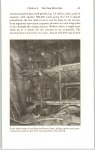
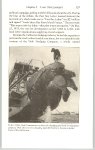
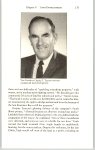
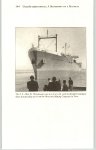
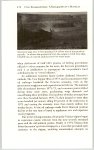
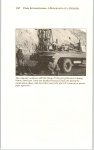
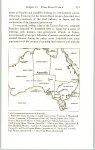
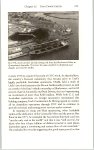
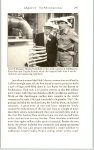
Show Chapter 11 UraH Down UNDER 22/ costs. Late in the year, however, a decline in world market charter rates for carriers allowed the company to hire vessels on more favorable terms than spot market conditions would have permitted. While not completely offsetting the cost of using lighter-weight carriers, by year’s end the consortium had marketed nearly one million tons of ore from the Mount Goldsworthy mine, almost fulfilling its first fiscal year contract before the end of the calendar year. Before-tax profits amounted to $187,350; after the commonwealth took its share, the consortium netted $97,422. Following a careful analysis of the 1966 financial results, MGMA decided to go ahead with plans to contract for an additional sale of 3.1 million tons over a period of six years to another group of Japanese steel mills. The Mount Goldsworthy operation responded immediately, and the first shipment of ore left Port Hedland simultaneous with the signing of the $22 million agreement in midFebruary 1967. In August, another contract worth about $1 million further profited Goldsworthy’s mining venture. This new commitment of 517,000 tons to Japan by 1969 raised total sales to more than three million tons per year. On the other side of the continent, Utah’s Blackwater coal project had also come to nearly full production. Littlefield and company director E. C. Arbuckle visited the mine in April 1967, while attending the Pacific Industrial Conference organized by the Stanford Research Institute. Pleased with what they saw, Littlefield announced an additional agreement with Mitsubishi Shoji Kaisha, Ltd., for another eight million tons of coking coal, a deal that brought potential revenues from Blackwater coal sales to approximately $210 million. At that point, Utah’s total investment rapidly approached its projected ceiling of $30 million. In July, the huge dragline went into operation at Blackwater after two weeks of training for the crews from an expert on loan from Utah’s Navajo Mine in New Mexico. By August 1, the outfit’s thirty-cubic-yard bucket worked almost nonstop on twenty shifts per week. Shortly thereafter at Gladstone, just south of Rockhampton, the Toei Maru took on board the first shipment of 23,181 long tons of Blackwater coal bound for Japan. When it arrived at Yawata Works on the island of Kyushu on January 26, 1968, Utah’s representative George S. Ishiyama called it “only the |