| OCR Text |
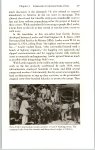
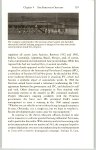
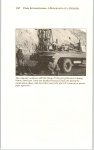
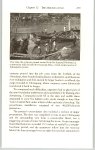
Show Chapter9 THE PERUVIAN ODYSSEY 159 The company contributed to the San Juan school system and launched educational and job training programs to integrate Peruvians into professional positions inside the company. regularity all across Latin America. Between 1952 and 1960, Bolivia, Guatemala, Argentina, Brazil, Mexico, and, of course, Cuba expropriated and nationalized American holdings. While this regional tide had not reached Peru, it seemed inevitable. Storm clouds appeared on the horizon when Peruvian leftists targeted for criticism the International Petroleum Company (IPC), a subsidiary of Standard Oil of New Jersey. By the end of the 1950s, more moderate elements had joined in attacking IPC, which had become a symbolic object of nationalistic wrath. In 1960 the Peruvian armed forces issued a statement condemning the 1922 agreement between the government and IPC, and declared it null and void. Other American companies in Peru watched with increasing concern as the assaults on IPC continued unabated. Despite Marcona’s ongoing cordiality with the Peruvian government, the furor over IPC prompted Utah’s senior management to issue a warning in the 1960 annual report: “Whether we can ride this storm without being damaged remains to be seen. Obviously, it is a rough sea, but we hope to weather it. Recent developments give some cause for encouragement.” In response to the threat, Marcona officials decided to take active measures to cultivate goodwill among influential Peruvians, and in particular the media. With industry analysts forecasting a dip in the international iron ore market in1963, the company hoped to counter displeasure over any concomitant drop in royalty payments to Lima with a massive propaganda campaign. Enrique R. East, |