| OCR Text |
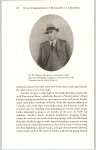
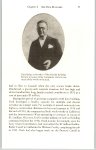
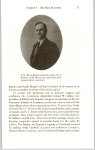
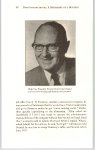
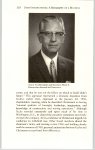
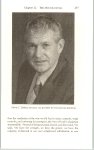
Show Chapter 6 REINVIGORATING MANAGEMENT 91 manager, and the company’s fortunes continued to sag. In the midst of this dim situation, however, appeared a promising yet familiar name. Allen D. Christensen had followed his father, pioneer engineer and company leader Andrew H. Christensen, into the engineering profession and into the ranks of Utah’s management. Something of a visionary, the younger Christensen possessed a creative imagination and an ability to conceptualize. Convinced that Utah’s future lay in mining, where its enormous earthmoving experience could pay healthy dividends, he persuaded the board to undertake mining at Iron Springs near Cedar City, Utah, in 1944; at the Ozark-Philpott Mine in Arkansas, in 1946; and at the Argonaut Mine in British Columbia, in 1951. Wisely, he organized these moves in ways that did not threaten Utah’s client companies already in the mining business. Promoted to general manager and executive vice president in 1951, Christensen’s confidence clashed with his sometimes shy and reticent demeanor. Ed Littlefield saw this characteristic as a “cultivated mystique ... at times impenetrable.” This personality trait frequently caused board members, although they had no reason to mistrust him, to believe that he “was either withholding information or did not have it at his fingertips.” As a result, according to Littlefield, they felt that they were being asked to make project decisions without adequate information. By design or personality, it was certainly Christensen’s personal style to keep his information close, doling out only what was necessary. Christensen’s assistant treasurer, H. N. (Bert) Stronck, followed his boss’s lead by preparing financial statements that were “not illuminating,” as Littlefield put it. Although the board generally approved of Christensen’s leadership, it felt a growing need for more information to offset any concern that the general manager either was not forthcoming or not in possession of the facts. This situation became acute as board members spent long hours at quarterly meetings debating moot points on potential projects that never materialized. Marriner Eccles watched all of this with growing discomfort. While he liked Christensen’s aims and vision, Eccles sought longterm stability and strength in the company’s management. As he thought about solutions, his mind repeatedly came back to the |