| OCR Text |
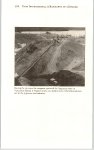
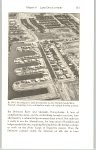
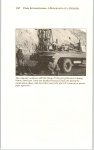
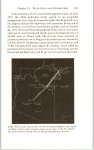
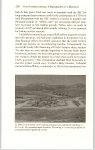
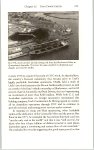
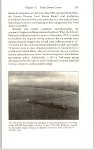
Show CHAPTER Land 8 Development L ONG BEFORE THE WATTIS BROTHERS left their Uintah home to learn the rudiments of earth-moving from railroad builders, the Dutch devised a silt-clearing process for their canals. Using a bag held open by a metal ring attached to the end of a pole, the Dutch would dregghe the canal bottom from a stationary barge, which then delivered the silt to a disposal area. Dredging technology expanded greatly by the twentieth century (witness the massive dipper dredges that helped cut the Panama Canal), but land-fill applications did not become popular until after World War II when urban population growth led to demands for desirable waterfronts. On the eve of major diversification, Utah’s move into dredging was logical, given its excavating background, but the company’s postwar entry into the land development business in the San Francisco Bay Area provided the catalyst for this remarkable new endeavor. The story began on November 15, 1950, when Utah purchased for $300,000 from Stanley Hiller and J. J. Coney 872 acres on the northwestern tip of the tidelands near Bay Farm Island, not far from the present-day Oakland Airport. Utah planned to extend the shoreline for commercial purposes, inasmuch as developable land in the area was extremely scarce. The eventuality of a third bay bridge, Southern Crossing, with Bay Farm Island as the eastern terminus made the investment seem foolproof. The company thus reentered the land-holding business for the first time since it sold its Nevada ranch properties in 1945. 1Z/ |