| OCR Text |
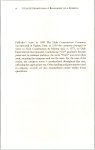
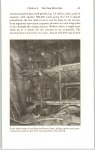
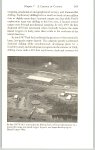
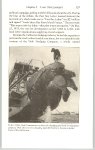
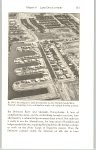
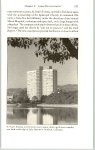
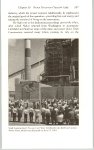
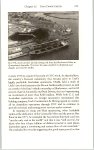
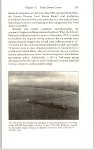
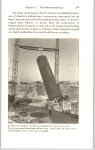
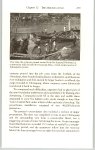
Show Chapter 10 BLack GOLD AND YELLOW CAKE 189 scientists excavated eight of sixteen pueblos, salvaging more than forty rooms, three pit houses, eight kivas, and two great kivas. This pueblo group offered archaeologists a rare opportunity to study three villages built at the same location, one on top of the other. To link the strip-mining operation to the power-generating plant as conveniently as possible, Utah’s management reached into the company’s past and constructed a nine-mile railroad to haul coal. Three 2,500-horsepower diesel electric locomotives powered the trains. Another required change came with the expanding capacity of the power plant. Meanwhile, innovative cooperation developed among six utility companies (Southern California Edison, the Salt River Project, Arizona Public Service, Tucson Gas and Electric, El Paso Electric, and Public Service Company of New Mexico) to increase the generating abilities of the Four Corners facility. In June 1966 these members of the Western Energy Supply and Transmission Associates (WEST) spent $150 million to expand the plant. Four months later, Littlefield signed a coal sales agreement with WEST, quadrupling the tonnage of coal produced at the Navajo Mine. Another dragline, this one larger than the Marion 7900 by ten cubic yards, went into operation, while the WEST companies set up two new /55-megawatt generators as they planned for the power needs of a nine-state region. Such dramatic project growth brought new benefits to the Navajo Nation by increasing royalties and providing an additional 19,156 kilowatts from each of the two new generators at the low rates established in the basic agreement of 1960. The increased energy amounted to seven times the anticipated needs of the tribe at that time, thus providing the Navajo Tribal Utility Authority with additional power to sell and to continue rural electrification on the reservation. Coal attracted new attention in the United States in the late 1960s as oil and natural gas reserves dwindled to produce a growing reliance on imported crude oil. It eventually became apparent that Navajo coal could play a strategic role in producing low-cost energy beyond electric power generation. In his June 4, 1971, message to Congress, President Nixon called for “an expanded program to convert coal into clean gaseous fuel” to respond to the national energy shortage. Utah originated a coal |