| OCR Text |
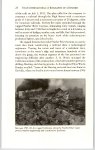
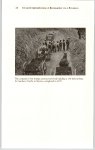
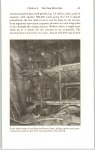
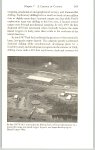
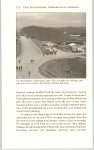
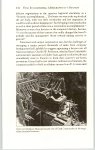
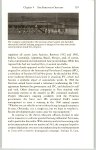
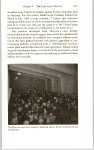
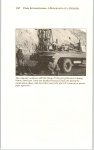
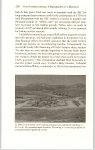
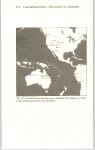
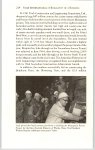
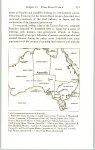
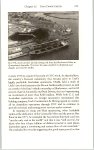
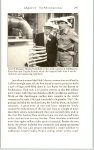
Show Chapter 8 LAND DEVELOPMENT 137 The Japanese planned an extremely ambitious reclamation project in which a total of thirty-one dredges—fully half of the country’s active total—would take part. Due to its advanced design, the Alameda served as the flagship of this mud-mucking fleet so effectively that, prior to the launching of the Kokuei Maru, it accounted for 15 percent of the monthly yardage all by itself. The fleet dredged for more than a year through high seas and strong winds to create almost eight square miles of new land off the shores of Sakai near Osaka. On this property, homes for nearly two million people eventually rose. A bridge across the lower end of Tokyo Bay, longer than the San Francisco-Oakland Bay Bridge, capped the project and became another symbol of Japan’s urban rebirth and postwar modernization. In July 1965, the Alameda left Japan temporarily to dredge new berthing areas at Port Hedland in Western Australia and to deepen the harbor there. Dredging bids coming into the Mount Goldsworthy consortium were so high as to jeopardize the project, so Utah retrieved the dredge from JILD and moved it “down under.” Because Utah’s Mount Goldsworthy mining project mushroomed in scope, the dredge remained in Australia much longer than expected, scooping ten million cubic yards of material from the bay in order to create a five-mile entrance into the harbor, as well as a turning and mooring basin for ships of at least 100,000 dead weight tons. While in Australia, the Alameda narrowly escaped serious damage when a cyclone hit Port Hedland on March 31, 1966, a few days after Littlefield, now company president, had visited the site. The storm came up with short notice early in the morning. The main concern was for the Alameda’s safety; but moving the pipelines that would carry the mud from the bay to the land occupied most of the day, with two-inch tow ropes breaking more than a dozen times as tugs fought against high waves and strong currents. The next day passed without incident as the dredge rode out the swells from the security of two storm anchors. On April 2, the swing wires securing the Alameda to the anchor began to break under the strain, forcing crews to spend a rough afternoon weighing anchors and towing the vessel into the harbor. Fortunately only the ship’s tree and considerable lengths of swing, quarter, and stern wires suffered |