| OCR Text |
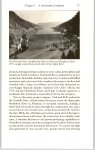
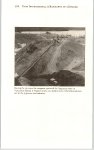
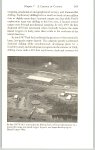
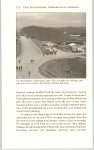
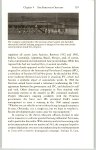
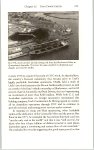
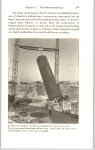
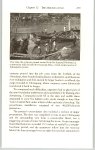
Show 254 UTAH INTERNATIONAL: A BIOGRAPHY OF A BUSINESS about 360,000 cubic feet per second, 50 percent higher than the greatest flood previously recorded. The lake rose 10.2 feet in a fiveday period, as the stored water increased by 803,000 acre-feet. “There would have been no Chittagong,” a government official observed, “and nothing would have been left of the adjoining villages if there was no dam at Kaptai.” The maximum number of American employees on the job at any one time was eighty-three, nine of whom remained after completion to train the Pakistanis in operating and maintaining the generators. Throughout much of the job, members of the government labor force cooperated only minimally, showing their resentment at having the project taken away from them. This made training much tougher for the Utah men who stayed behind. The plan called for company operators to be in charge in the powerhouse during the first half of the training period. As soon as the local personnel took over, animosities erupted openly and American advice was generally disregarded. As a result, the Pakistan project concluded on a discordant note, although Utah had accomplished much in what would become the troubled nation of Bangladesh. Utah also joined other companies, principally Reed and Martin, on projects within the Kingdom of Thailand. The Yanhee Multipurpose Project, a dam and power plant on the Ping River some 250 miles north of Bangkok, became one of the first. Brown and Root, S. A., in which Utah held a 40 percent interest, built the concrete arch structure, rising fifty stories above the river bed, with a crest length of more than five football fields and a base thickness of 171 feet at the widest section. The powerhouse of reinforced concrete housed eight 70,000-kilowatt generating units and featured a service bay that included a control room, machine shop, and handling facilities. The project’s mammoth scope made it the largest in Southeast Asia. Besides the dam and power plant, it required the construction of a 250-mile transmission line to Bangkok. The project not only improved the extensive river navigation on the Ping and Chao Phya rivers but also provided large quantities of water for irrigation. The joint-venture contract for construction of the dam, amounted to $35 million. powerhouse, and related facilities |