| OCR Text |
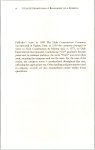
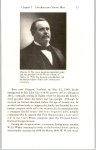
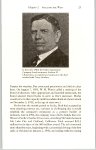
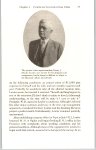
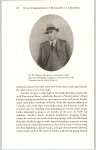
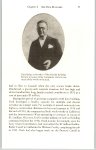
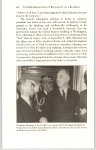
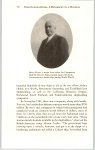
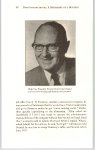
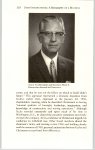
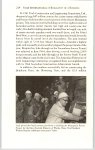
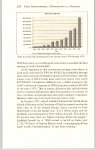
Show 268 UTAH INTERNATIONAL: A BIOGRAPHY OF A BUSINESS In light of this bold prognosis, Littlefield raised an interesting question to the board in 1969: Let me put the problem in perspective as I see it. It took us 58 years before we earned over $5 million annually. It took another 8 years to earn over $10 million annually. It took 4 more years to exceed $20 million annually. With a little luck and reasonably good general business conditions, we could exceed a $40 million level by 1972, just three years from now. So, the problem is—what are we going to do for an encore? The company would have to make its curtain call during perhaps the most difficult time in the postwar history of the United States. As America retreated from Vietnam, something called “stagflation” hit the economy, higher inflation rates bedeviled credit, the Arabs mounted an oil embargo, and President Richard M. Nixon resigned over the Watergate scandal. Marriner Eccles, who had an early foreboding of such events, retired from the board chairmanship in February 1971 with the firm in excellent condition in terms of mining capabilities, back orders, and profits. Littlefield candidly appraised his colleague’s crucial role in an address to the shareholders at the annual meeting on October 7, 1971. When Eccles had joined the board in early 1921, the company was operating at a loss and had a net worth of only $4 million. More than half of its assets were represented by ranch lands, cattle, sheep, hogs, horses, and feed. Its principal construction project then underway was the O’Shaughnessy Dam for the Hetch Hetchy water system serving San Francisco. Ten years later, in 1931, Eccles was elected president of the company and, in 1940, was elevated to the position of chairman of the board. “His was a critical role in the trying days of the Depression and the Second World War,” Littlefield said. “His record as a public servant has earned him admiration and respect throughout the world.” Eccles had returned to private life in 1951, never lessening his multinational interests, and resuming a more active role as Utah’s chairman of the board. During his distinguished career, the company had “undergone a transformation in the nature of its business and is now engaged |