| OCR Text |
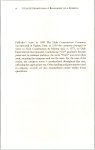
Show CHAPTER 9 Odyssey Peruvian The :" THE YEARS following World War II, American businesses and entrepreneurs moved aggressively to establish or to expand international operations. The postwar global economy appeared particularly attractive to American investors for a number of reasons. First, international competition had shrunk to near insignificance as great prewar rivals for the world’s markets and raw materials lay financially prostrate, including Germany, Japan, France, Italy, and Great Britain, unable even to maintain their internal economies without American aid. Second, as European empires crumbled, vast markets for exports from the United States and cheap sources of raw materials opened wide. Finally, Rooseveltian economic diplomacy, codified at the Bretton Woods Conference in July 1944, constructed a postwar international financial system capable of funding reconstruction programs and financing a monetary infrastructure in less-developed countries. The United States alone, among the world’s great capitalist powers, had the immediate capacity to undertake global economic expansion. A unique time in international economic history had arrived, promising healthy rewards for businesses with talent, resources, and determination. By the early 1950s, the Utah Construction Company was developing an abundance of all three. It was inevitable, given its new strategic emphasis on mining ventures, that the firm would be among the leaders in the multinationalization of mineral extraction. This process began in 145 |