| OCR Text |
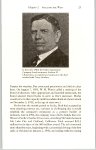
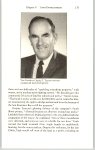
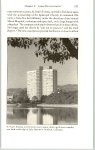
Show 244 UTAH INTERNATIONAL: A BIOGRAPHY OF A BUSINESS on too many variables. Lucky Mc’s success, for example, relied on the Atomic Energy Commission’s shopping list. Also, Utah’s offshore involvement faced a rise in nationalism and the threat of expropriation, rumblings of which were echoing from Peru and even Australia. Additionally, general instability overseas unsettled company executives. Already Utah executives worried that their recent contract for a 40 percent interest in building the Troneras Dam in Colombia was a mistake. Beyond these anxieties were such uncertainties as the Alameda project and the overall investment in dredging. On the optimistic side of the ledger, Utah’s opportunities were expanding around the Navajo Coal Mine, and the company had begun consulting for both Korean and United States government agencies to rehabilitate Korean mines and railroads, and explore new opportunities. Overall, however, as the decade of the fifties ended, business activity seemed in decline. The Utah Construction & Mining Company nevertheless celebrated its growth and prosperity by completing its move to the Cahill Building at 550 California Street in San Francisco on November 11, 1960. The dredging headquarters remained at the Belair yard in San Francisco, and both the Design and Engineering Office and the Metallurgical Research Lab continued operations in Palo Alto, adjoining the Stanford University campus. Allen Christensen’s name went up as president on the new corporate directory, but in 1961, he left the company to pursue personal business interests. In a cordial resolution, the board acknowledged Christensen’s resignation and thanked him for “thirty years of service as employee, director, and officer of the company.” With Christensen’s departure the working dynamics between Marriner S. Eccles, chairman of the board, and Edmund W. became president and general manager, Littlefield, now paramount. Inevitably Littlefield and Eccles locked horns on certain issues. In one particular instance, director Marriner A. Browning criticized Littlefield for “being overly generous in matters of compensation to members of the staff.” The drift of the message was that Browning saw Littlefield as “more interested in rewarding the staff than necessarily [in] protecting the interests of the shareholders,” although he did not personally convey this conviction to Littlefield. In transmitting the criticism to Littlefield, |