| OCR Text |
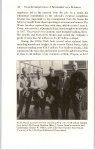
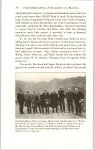
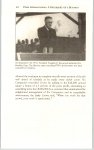
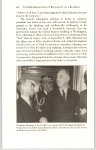
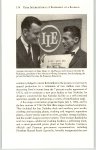
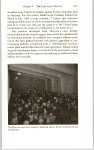
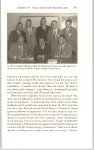
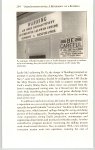
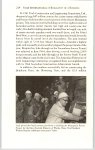
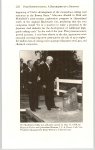
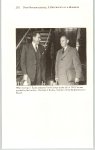
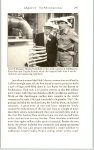
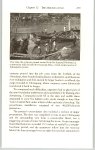
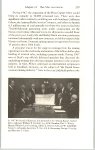
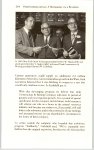
Show Chapter 12 THE MULTINATIONAL 265 really moved Utah from modest earnings to where it became ultimately the most profitable of all U. S.-headquartered mining companies.” This achievement had “involved borrowing more money than our entire net worth.” Despite numerous difficulties, including a copper strike and tense labor negotiations in the steel industry, Utah’s fortunes continued to rise as the decade neared its end. As a result, late in 1968 the board authorized a two-for-one stock split, with two additional shares to be distributed on February 14, 1969, for each share outstanding. Furthermore, it declared a regular quarterly dividend of 35 cents with the split. After the split, there were 12,912,711 shares outstanding. In a repeat performance, 1969 also produced record results. “On the earnings side,” the annual report declared, “the 1969 profit was approximately equal to the total income earned by the enterprise in the first fifty years of its existence.” In addition to this incredible statistic, the report reminded stockholders that booming company profits represented an earnings record for the fifth consecutive year. At this veritable peak in Utah’s long history, the company was admitted to the New York Stock Exchange, on April 2, 1969, with a listing of 14,500,629 shares of common stock. The firm’s newly assigned ticker symbol—UC—flashed above the stock exchange floor when the opening bell sounded that morning. The sale of one hundred shares of Utah stock to Littlefield became the morning’s first transaction. Robert W. Haack, exchange president, marked the historic occasion in a greeting to Utah officials. After fourteen years of moving toward that goal, Utah finally stopped trading over the counter. Littlefield subsequently savored the success: We have continued to be well received by the investing public. The dividend rate was increased for the 19th consecutive year. Our stock was listed on the New York Stock Exchange and the price of the shares has performed remarkably well in the face of an adverse market. Our two [convertible] debenture issues are selling at a considerable premium and our company seems to be held in increasing regard by the financial institutions with whom we do business or who view us as potential clients. |