| OCR Text |
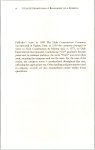
Show Chapter 8 LAND DEVELOPMENT 139 California; Allendale, Colorado; Bisbee, Arizona; Davenport, Iowa; and Ely and Ruth, Nevada. Utah’s largest land acquisition during the early 1950s was the Moraga Ranch adjacent to the growing Bay Area urban complex. The spread’s title had changed hands only twice between the time the King of Spain gave it as a land grant to the Moraga brothers and Utah Construction’s 1953 purchase. In classic Old West fashion, the first transfer came about in a poker game when the winner sold the property to a group that became the Moraga Company. Income from cattle and agriculture covered acquisition and maintenance until residential development began, which is when Utah entered the picture. Owning ranch land, of course, was nothing new to the firm, although few Utah watchers realized that the giant corporation actually had several cattle brands of long-standing reputation—notably the “Winecup” and the “Shoesole”—left over from the sprawling Vineyard ranch in Nevada, where Utah had owned and managed ranch properties almost the size of Connecticut. While raising cattle might seem an illogical endeavor for a multinational construction and mining company, tending orchards appears even stranger. Nevertheless, at Moraga the company engaged for a time in a profitable pear-raising business that owed much of its success to an effective system of spraying against all types of pests. For a time, the biggest problem the growers encountered were tourists and other passers-by who helped themselves to the crop without paying. This scarcely dented the profitable operation, for the 1965 pear crop brought $135 per ton. On top of this business, English walnut orchards proved second only to cattle as a revenue-producing commodity. Instead of conventional picking processes, tractor belts shook ripe walnuts from the trees. Pickers then gathered them from the ground, after which the dried and sorted nuts sold in the shell for about 29 cents per pound. Despite these pastoral interim activities, Utah acquired the Moraga property for development purposes inasmuch as the burgeoning population of the Oakland/San Francisco area sought outlying home sites convenient to the cities. Later, the BART system would locate its Orinda Station only half a mile from the Moraga |