| OCR Text |
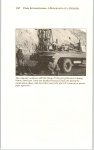
Show 28 UTAH INTERNATIONAL: A BIOGRAPHY OF A BUSINESS camps to tap the workers’ paychecks with cheap whiskey and easy women, though the company discouraged such establishments, sometimes with the help of local sheriffs. Foremen tended to be tough characters, skilled at keeping the men on the job and the project moving forward. With so many people about, Utah Construction used a code to preserve the security of its telegrams. For instance, “outlaw poker” meant that work should continue. “Laconic princess beyond castle. Smash outpost. Dragon inhabits caldron,” somehow meant, “E. L. Brown just returned from First National Bank, Reno, Nevada. Have resumed work, progressing slowly. Friday or Saturday, will be able to load minimum carload.” Although such cryptography gradually disappeared from the company’s operations, its code books tell their own story as they document a colorful legacy of tough jobs up against tougher men. Despite such challenges, the Feather River project did not consume all the company’s attention. Simultaneously, Utah accepted a contract with the Nevada Northern Railroad to construct its 150-mile line from Cobre south to Ely. Grading commenced at Cobre on September 11, 1905, under the direction of W.H. Wattis. Utah ordered rails from the Colorado Fuel and Iron Company while its crews began erecting 4,500 telegraph poles. Grading went well until a November blizzard halted work in Nevada and delayed the promised shipment of rails. Not content to spend a frustrating winter grading frozen ground, six crews of twenty-five men each moved to southern Nevada and then returned in the spring to complete the work. On September 29, 1906, as townspeople from Ogden and Salt Lake City came by reserved train to join the cheering crowd, Mark Requa, organizer of the White Pine Copper Company and general manager of Nevada Northern, drove the last spike, appropriately made of solid copper. “Not only had a railroad been completed,” remarked railroad historian David Myrick, “but its actual cost had been decidedly less than estimated.” Understandably weary, Utah’s management intended to return to Ogden after finishing the projects in Nevada. So many opportunities beckoned in California, however, that Utah Construction opened an office in the Flood Building in San |