| OCR Text |
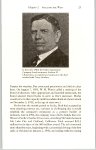
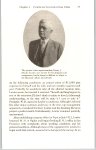
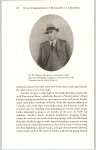
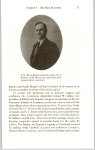
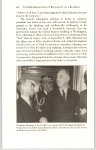
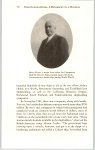
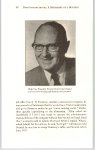
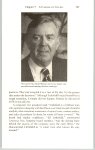
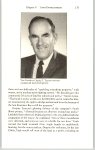
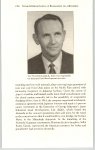
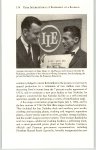
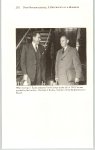
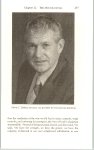
Show wa eere ever Seam ewes dite tat ieee RS. soa stn ol a a tt ik al acs ma a Bac aoa St Ao a 116 UvTAH INTERNATIONAL: A BIOGRAPHY OF A BUSINESS those with economic consequences. Calling Eccles “a very conscientious overseer,” Littlefield remembered him as “a completely independent person. He was not swayed by the mob; he did not think like the mob thought; he didn’t care what the mob thought. He did his own thinking....” He was also proficient at judging potential projects, the man on the board who had to be convinced of a project’s profitability—“the obstacle you had to get by to get something done.” Eccles always demanded the answers to tough questions, although intuition remained an important factor. If, when his questions were answered, “something about the deal [still] made him uncomfortable,” Littlefield observed, “I would not try to sell him the project, but took it back for further study to see if we could find what might be bothering him. By the time we got it to where Marriner was willing to give his blessing, you had a lot of confidence that the thing had really been thought through by someone who was objective.” Another quality Eccles demonstrated was an ability, once convinced, to fight for a project, even one about which he had been initially doubtful. His value was usually in appraising ideas rather than initiating them. “Marriner was unusually far-sighted in recognizing the general economic atmosphere in which business would be operating nationally or internationally,” said Littlefield, “but [he] really was not an initiator or author of the idea that the Utah Construction Company should acquire raw materials or develop land.” Rather, “Marriner was the highest hurdle to be leaped in the approval chain. He ultimately believed in the ideas and was effective in promoting them with the board because the directors had so much confidence in his wisdom.” Perhaps the most significant role Eccles played during this crucial transitional period in company history was in his assistance to Littlefield as a financial counselor and “someone to bounce ideas off.” Consequently, Littlefield took the company from a construction firm with a lustrous history but a blunted competitive edge, to the most successful mining firm in the United States by the 1970s. Not only did Marriner have the knowledge and abilities to aid the company’s success, but he also had extensive contacts with high-level business executives and government leaders across the United States. As Eccles and Littlefield contributed complementary |