| OCR Text |
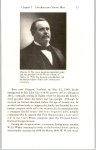
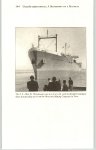
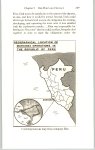
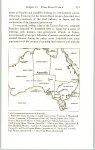
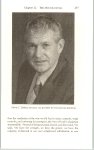
Show CHAPTER 13 Merger HE YEAR 1975 was not a good one for Utah International, Inc. After a decade as an outstanding performer in the market, the company’s common stock declined sharply—from 75 points in the early summer to 45 in September. Several factors combined to create this slide in market value. First, investors had watched Utah’s stock skyrocket in the early 1970s in anticipation of major profits from Australian coal, due partly to much higher coal prices after the 1973-74 oil embargo. By late spring, however, jittery stockholders worried that Utah’s phenomenal growth might be over. Then in June 1975, the Peruvian government expropriated Marcona Mining Company, of which Utah International owned 46 percent, resulting in a catastrophic after-tax loss of almost $20 million. Two months later, the Australian government imposed a heavy export duty on coking coal at the same time labor unrest forced a suspension of operations for three weeks. After three-quarters of a century in business, Utah found itself in a tight corner with few possibilities. Having recognized the coming crisis for some time, Edmund W. Littlefield nevertheless determined to find a profitable way out for the company’s stockholders. Despite all his efforts to cushion the company through diversification, inexorable forces had boxed Utah into the untenable position of having the bulk of its profits coming from two commodities—iron ore and coking coal—both located in one foreign country, Australia. By the fall of 1975, as £m 3 |