| OCR Text |
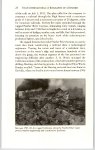
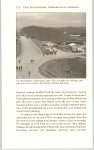
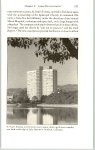
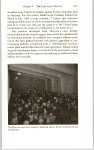
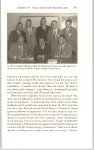
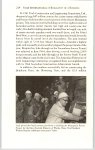
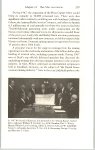
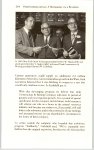
Show el aa Od Wadicaent HScaracs a tor cle eae eet es th i aa ak Ri AN rae il lees Saar it BaD eee a aS em A ls a SS al Now the stockholders took their turn. On December 15, 1976, on a typical winter day in San Francisco with bright blue skies and a mild temperature of 60 degrees, the elevators in the city’s Wells Fargo Bank building lifted first-time visitors to the penthouse board room for a final meeting of Utah’s shareholders. Descendants of the founding families and other shareholders filled the chambers, including cousins, friends, and long-time neighbors. Reminiscent of a sedate family reunion, the assemblage waited with whispered Se supplier. (In this case, GE would acquire Utah’s uranium output.) To defend it against such a charge, Reginald Jones, then GE’s president, told a group of Wall Street analysts in early 1976 that Utah held only a modest share in the uranium production market, and that uranium was but a small part of Utah’s overall business revenue. The second type of merger on which the Justice Department frowned was one where the two consolidating firms would “manufacture or distribute functionally related products,” which was not the case for this proposal. After seven months of negotiating legal and accounting matters in a relatively routine way, the Justice Department mysteriously clammed up, refusing to indicate whether it would challenge the merger. The Wall Street Journal, on July 26, 1976, reported Assistant Attorney General Thomas Kaupe as saying, “Advance clearance for the proposed combination could not be given because of its probable anti-competitive impact, particularly in the nuclear steam-supply systems market.” In summary, Utah’s uranium and GE’s nuclear fuel systems, when combined, could provide unfair competition. Business Week writers picked up Kaupe’s comments in the September 13, 1976, issue: “The stock market apparently has strong doubts that the $2 billion merger between General Electric Corporation and Utah International, Inc., will ever be completed.” GE and Utah met the Justice Department’s stated concerns by agreeing that, upon merger, GE would transfer all of Utah’s uranium operations to a separate company (Lucky Mc). GE would own the equity, and the company would be managed by an independent board of trustees. GE also agreed to obtain its uranium from some other source until the year 2000. These concessions solved the Justice Department’s concerns, and it announced on October 4, 1976, that it would not contest the proposed merger. Se 285 roms = = Fa ts MERGER Lines te PS ir mia pall Ah ees eal ete i Chapter 13 |