| OCR Text |
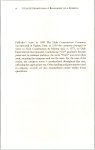
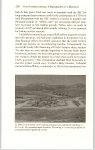
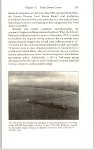
Show 48 UTAH INTERNATIONAL: A BIOGRAPHY OF A BUSINESS balance. The Idaho State Land Board rejected Utah’s offer, saying there would not be that much water in the river. Eventually, the federal General Land Office insisted upon completion, or the land would return to the public domain. In November 1916, Utah Construction posted a completion bond for a new dam and finished it on time in May 1918. Unfortunately, 1918 brought record lows in available water, and so, in the spring of 1919, Utah Construction petitioned the United States District Court to confirm the company’s rights to claim title to and store water from the Big Lost River and its tributaries. When it became evident the court would rule for Utah Construction, the upstream water users formed the Big Lost River Irrigation District and, on July 9, 1920, also petitioned the court. On March 15, 1923, the federal court awarded 566 water rights to the irrigation district, granted Utah the absolute right to store water, and named a commissioner to distribute the water. The drought lasted through most of the 1920s, forcing many farmers to sell their land and many others to lose their patience. As a result, the Mackay Dam Club formed in the winter of 1928-29 to bring those people together socially and to discuss remedies. Sobered by legal expenses, the club turned to political action. Soon the Big Lost River Irrigation District and the club united as the Big Lost River Reclamation Association to seek solutions through fact finding and rational discourse. The irrigation district and the reclamation association joined with state reclamation interests and agencies in convening a panel of experts in the spring of 1931. The experts’ report proposed a water-users’ organization to purchase Utah Construction’s holdings, the dam, diversion dam, reservoir, canals, storage rights, and so on. Utah agreed to sell for $2.5 million, granting options to purchase to the irrigation district. Lacking funds, the irrigation district applied to the federal government, which viewed the petition favorably. At last, it appeared that the whole mess might be headed for a happy resolution. In the spring of 1933, however, word spread that the Big Lost River’s volume would drop 50 percent during the forthcoming summer and fall irrigation period, barely sufficient for upstream users and insufficient for downstream users. Late on the afternoon of June 21, around thirty unidentified |