| OCR Text |
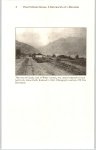
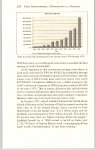
Show 276 UTAH INTERNATIONAL: A BIOGRAPHY OF A BUSINESS construction and into mining. The stock market did not typically favor construction firms, nor was it particularly fond of mining. Utah’s top management, however, succeeded in persuading influential Wall Street analysts to accept the company as different because its earnings were relatively predictable, based on a large backlog of orders with price escalation clauses. When other mining companies were selling at five or six times earnings, Utah sold even as high as twenty times earnings. As a result, Utah had become a hot stock on the New York Exchange. This success represented a radical change from earlier days when, by 1920, there remained few railroads to be built, which forced Utah to seek other pursuits. While rarely losing money, its profits were less than spectacular from 1919-46 and later. During these years, the name Utah Construction Company, alone or in joint ventures, was associated with many of the landmark structures transforming the West and Southwest. Not least among its achievements were huge dams such as Hoover, Grand Coulee, Davis, and Bonneville. Other major projects included construction of the Geneva Steel plant at Orem, Utah; the Alcan Highway; vast earth-moving projects both domestically and abroad; the building of thousands of miles of railroads and tunnels; and the construction of large industrial plants, underground missile systems, and the San Francisco Bay Bridge. During World War II, the company had participated in building ships, marine engines, storage facilities, and Pacific military bases, simultaneously providing magnesium for incendiary bombs. Surprisingly, all this effort, including the ranching operations, produced annual profits averaging a meager $321,000. Naturally discouraged with these results, shareholders seriously considered liquidating the firm in the early 1940s. The 1945 sale of the ranches justified a partial liquidation in 1946, when 25 percent of the shares were retired for $2 million. Then, Utah began its ascent by increasing its traditional construction activities, launching its first projects in international construction work, and entering into commercial and industrial building. Most importantly, the company took its first small steps into mining. In 1946, Utah opened an iron ore mine near Cedar City, Utah, and a coal mine in Arkansas in 1950. Other mining operations followed and then, |