| OCR Text |
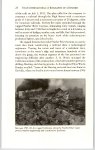
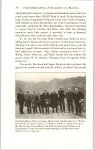
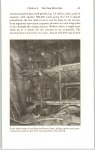
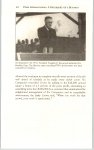
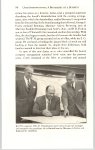
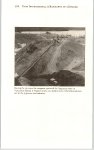
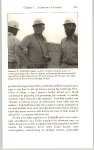
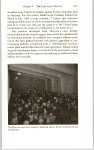
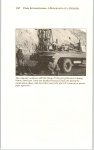
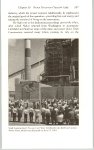
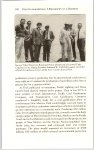
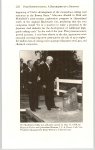
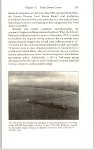
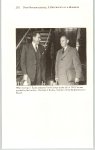
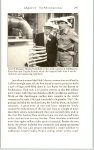
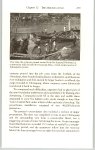
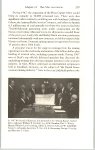
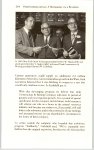
Show 184 UTAH INTERNATIONAL: A BIOGRAPHY OF A BUSINESS In addition, the company agreed to pay royalties on extracted coal at a rate of 15 cents a ton. The tribe retained the rights for leasing oil and gas development, although Utah had to approve drilling and related activities. Utah agreed to hire Navajos to dig irrigation canals and build roads in the area, and also agreed to sell electric power to the tribe. The company also promised to employ local workers when available and qualified, to pay prevailing wages, and to use the services of Native American contractors whenever feasible. In addition, Utah would submit a full plan of development for the area to the Interior Department within five years. By 1959, crews had drilled holes on one- to two-thousand-foot centers in the northern portion of the lease area. Earthmovers concurrently dug test pits to determine the nature of the overburden and to obtain bulk samples for boiler burning tests. That same year, the Arizona Public Service Company (APS) showed an interest in building a 350-megawatt thermal electric generation station on the Navajo reservation that would burn Utah’s coal. Subsequent successful negotiations resulted in an August 1960 contract for the delivery of energy equal to the output of 1.5 million tons of coal annually for thirty-five years, with an option to extend the term for another fifteen years, and to provide additional fuel as generation capacity increased. One month later, the Secretary of the Interior announced approval for the power plant. To supply water for steam condensation, Utah first excavated a 1,200-acre, 100-feet deep cooling pond for water from the San Juan River. Located about three miles north of the steam plant, Lake Morgan (named in honor of a former tribal chairman) took more than a year to fill as two 15,000-gallon-per-minute, 450-foot head pumps pushed river water up over bluffs thirty stories high and into the basin. Successful plans for the lake included its use and management by the Navajo Nation as a recreational facility for water sports and fishing. Groundbreaking ceremonies for the power plant took place on March 10, 1961, although actual construction began in January. Dignitaries at the ceremony included Christensen, Jones, and Arizona Public Service President Walter T. Lucking. The Four Corners Power Plant came on line only four months later in July. The futuristic power-generating facility stood on |