| OCR Text |
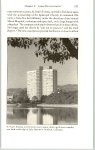
Show Chapter 8 LAND DEVELOPMENT 143 did not develop the properties but sold them to other developers. The Torrance property sold at an unusually high price for undeveloped property—$36,000 an acre. Utah’s last major industrial land development came about, strangely enough, because of the walnut groves on Moraga Ranch. When Utah learned that the Walnut Growers’ Association intended to build a walnutprocessing plant, the company located an ideal site in Stockton and built a $5.7 million plant. Commercial development comprised the final category in Utah’s real estate adventure. Its larger projects in this sphere of activity included two multistory office complexes in Phoenix, Arizona, and in Albuquerque, New Mexico, built for Mountain States Telephone and Telegraph Company. Utah held the building in Phoenix as an investment until 1973, then sold it for a profit of more than $1 million. During Utah’s ownership period, the building generated more than $1.4 million in rental income. In addition, the company constructed the First Security Bank Building in Salt Lake City, one of the first structures in the intermountain region to feature large glass walls and prefabricated metal materials. Utah also built the Burrard Building in downtown Vancouver, British Columbia, one of its first significant office building contracts outside the United States. Despite these successes, Utah’s land development prospects suffered from the ongoing ordeal at Alameda, where the effort repeatedly bogged down due to continuously vexing difficulties. Also, marginal projects such as Eden Rock Gardens in Tucson, Arizona, prompted executive reassessment. Brigham Young University owned the twenty-acre parcel, on which it had built fifty condominium units in a design unsuited to the desert climate. Utah Construction built twenty-four additional units, then sold its interest. Gradually, Utah drew away from real estate as a major diversification option. Although its projects were numerous, geographically far-reaching, and profitable, the company increasingly considered mining the path to a more rewarding future. |