| OCR Text |
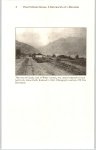
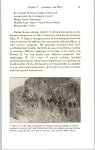
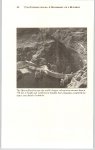
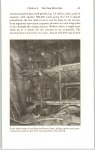
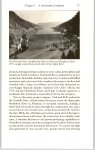
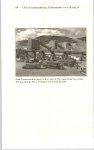
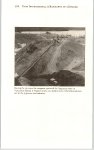
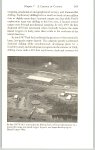
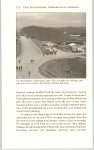
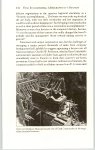
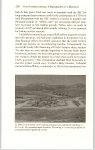
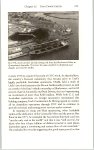
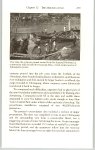
Show 252 UTAH INTERNATIONAL: A BIOGRAPHY OF A BUSINESS British firm of Taylor-Woodrow Construction, Ltd., and the French firm Compagnie Industrielle de Travaux of Paris, company crews laid rails to transport manganese ore for a mining company owned by the United States Steel Corporation and several French interests. Rails went down the grade in a unique manner, for specifications required that rails be solid-welded throughout, and to foil white ants and termites, the contract also required using steel ties. The African experience helped prepare Utah for its South Asian adventure—building the Kaptai Dam and powerhouse in East Pakistan (later Bangladesh) for East Pakistan Water and Power Development. The dam’s completion in April 1962, two months ahead of schedule, climaxed five years of effort. Shortly after partition from India in 1947, the newly independent government of Muslim Pakistan began to explore the possibilities of developing the hydroelectric potential of the Karnafuli River. A tentative start in 1952 bogged down, resulting in a request for additional financial assistance from the International Cooperation Administration of the United States, which sent the International Engineering Company, of San Francisco, and Utah Construction & Mining, as contractors. The Karnafuli Dam became one of the company’s largest and most challenging international construction ventures. Utah moved first into East Pakistan in April 1957, with a scheduled completion date of June 1961. Soon afterwards, advance crews discovered that flooding during the previous monsoon season had caused extensive damage to a diversion channel and the dam foundation. Redesigning the foundation and spillway required considerably more construction, and the projected cost rose to $53 million, even as the completion date slipped to June 30, 1962. To Utah’s credit, the company not only completed the project within cost estimates but also wrapped up two months ahead of schedule. But it had not been easy. Construction on the colossal Kaptai project introduced Utah to some new and difficult problems. Extreme weather conditions and inadequate transportation led the list of obstacles, for a five-month monsoon season halted work completely, and virtually all supplies came upriver thirty-five miles by barge from the port of Chittagong. Utah maintained a fleet of five tugs and a dozen barges, including an oil barge, just to keep its supply lines flowing. Aggregate for the 320,000 cubic yards of |