| OCR Text |
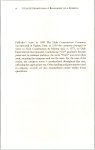
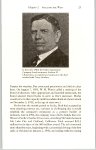
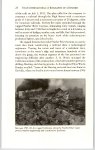
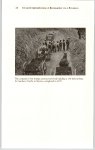
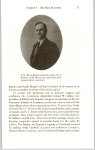
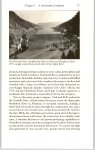
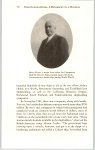
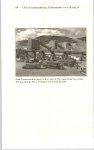
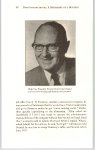
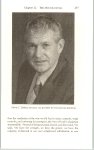
Show 8 UTAH INTERNATIONAL: A BIOGRAPHY OF A BUSINESS man, but he also nurtured an enterprising spirit and dreamed of life beyond the farm. His chance came when the great transcontinental railroad passed virtually through the Wattis front yard. The Union Pacific Railroad, on its way to a historic rendezvous with the Central Pacific at Promontory Summit, Utah, in May 1869, was laying track from South Pass, Wyoming, through Weber Canyon. Contractor William Miller from Provo, Utah, had secured a grading contract to help prepare the way for Irish spikers who were stringing rails from Granger down the tortuous canyon to Ogden. Though only twelve years of age, E. O. persuaded his parents to let him take his ox team and work for Miller for $15 per month and free lunches. Too small to yoke and unyoke his team alone, E. O. nevertheless impressed his fellow workers and his boss. He successfully completed his work on the Miller contract and then drove a team of mules for another employer for $2.50 a day, plus meals. After several months, the youngster presented his mother with his total earnings of $225. He then set off in the fall of 1868 with his Corey uncles, Warren and Charles, and three other men freighting to mines in Nevada. During a three-week trip, E. O. drove a team of mules to Old Toana, west of Montello, Nevada, then hauled freight to Pioche for $85. On their way home, the group stopped in Kelton, Utah, a booming railroad town on the northern end of the Great Salt Lake, where another uncle, Amos Bonesteel Corey, worked a truck farm supplying food for the railroaders. Although it was November with winter snow already on the ground, Amos managed to persuade the group to take a load of whiskey to Boise, Idaho. “A sleigh road had been broken,” E. O. remembered, “but we were either too young or had not had enough experience to think of converting our wagon into a sleigh, so on we struggled as best we could.” E. O. returned home with only 15 cents and a new supply of prudence. “I was the only one in the party who did not drink,” he wrote later, “and also the only one who did not have some portion of my body frozen.” That experience behind him, E. O. stayed on the farm until the spring of 1881. Eventually, E. O. and W. H. rented the forty-acre family farm from their father, working it together and sharing the proceeds |