| OCR Text |
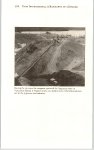
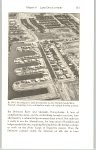
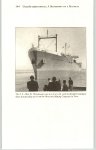
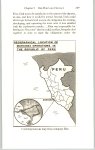
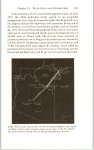
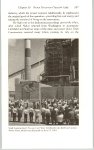
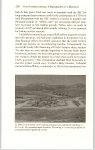
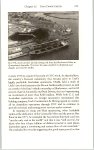
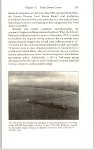
Show Chapter 9 THE PERUVIAN ODYSSEY 155 Oil of California and a possible customer. After discussing the intense competition Utah would encounter from Greek shipping firms, Ford pledged to do business if Utah would meet worldwide terms and market prices. Hopeful of Standard’s crude oil shipment contracts, Robinson encouraged executives at Japanese mills to buy more ore. Utah would then buy more Japanese-made ships, built with the ore they processed into steel. As this outgrowth industry thrived, Marcona’s original mission to mine iron ore in Peru also prospered. Estimates of the ore reserves climbed from some one hundred million tons to 350 million tons by 1962. The company easily obtained export-grade iron ore through Open-pit extraction throughout the 1950s, but those surface-zone materials declined rapidly by the decade’s end. To continue to meet the quality criteria of the company’s customers, Marcona built beneficiation facilities to upgrade the subsurface ores, now the majority of the field. (The beneficiation process results in a more concentrated product that increases the value of lower-grade ores. It generally involves crushing, screening, and grinding the ore, then separating the iron-bearing portion from the rest of the material.) The necessity for constructing beneficiation facilities in Peru launched Marcona’s first major expansion program. After considering the beneficiation question thoroughly, company engineers and executives decided to graft a second branch onto the operation, concluding that beneficiation facilities should go in at San Nicholas Bay, ten miles north of San Juan. The decision to site the plants there instead of at San Juan stemmed from the belief that the Peruvian enterprise would eventually require additional tertiary port and base facilities to augment the beneficiation plants. Centering the new operations at San Nicholas would provide more room for expansion, prevent overlap, avoid strangling off-loading activities at the San Juan dock works, and prove more cost-effective overall. Also this second operations branch and dock works would dramatically increase the volume of ore Marcona could handle and export. The company successfully negotiated the San Nicholas expansion with the Peruvian government’s Santa Corporation, and on February 26, 1960, conferees signed a new contract that extended the company’s concession to thirty years. In return, the |