| OCR Text |
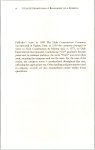
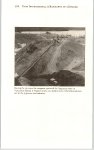
Show 236 UTAH INTERNATIONAL: A BIOGRAPHY OF A BUSINESS opportunity that was seized eagerly by competing coal and iron ore suppliers in the United States, Brazil, Canada, and South Africa. With Japan no longer locked into Australia because of lower prices, Utah lost part of its market share. Littlefield later observed that Australia thus became something of a no-win investment during the 1970s: It is true that we attempted to be in Australia as a low profile company. It was not only consistent with our tradition and our culture, but also we felt because we were a foreign company in Australia that we were not eager to be highly seen. That turned out to be impossible once we became one of the top corporations insofar as corporate earnings were concerned. The problem was compounded in part, in my view, by a sense of nationalism that cuts through Australia’s financial grain. We have enjoyed consistently good relationships with the state governments in Queensland. That doesn’t mean we’ve received everything we’ve asked for or that we always will, but basically it’s been one where they had respect for us insofar as our integrity was concerned, our ability to perform, and our capability to deliver on our promises. We have had good relationships with the federal government with the exception of the time when the [Gough] Whitlam Labour government was in office.... I don’t know that we have done badly in Australia outside of being foreign-owned and prosperous. It did not take long before the Labour government’s policies began to destabilize the iron ore industry. In a September 15, 1973, article in Forbes entitled “Too Much Too Soon,” Littlefield openly suggested that by making “nationalistic noises about foreign domination of the country’s natural resources,” the government endangered the very objectives it hoped to protect. Bluntly questioning the wisdom of the Labour positions, Littlefield pointed to the continuing healthy growth of the Mount Goldsworthy operation and the economic benefits that had come to the Pilbara region. He also stated clearly the consortium’s intentions to press ahead with further development and expansion, a promise the |