| OCR Text |
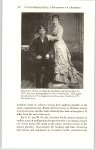
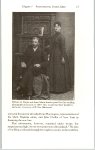
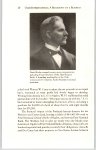
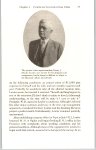
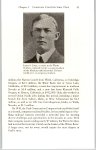
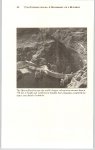
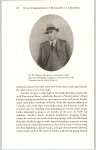
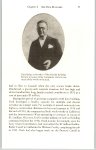
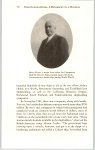
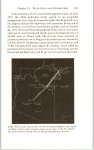
Show Sz UTAH INTERNATIONAL: A BIOGRAPHY OF A BUSINESS Colorado for the Denver and Salt Lake Railroad, a $1.75 million project. Significantly, both of these jobs developed as joint ventures with the Bechtel Company. Other minor railroad jobs, many of them related to dam building, continued as well, but with decreasing frequency. In the midst of all this dawning growth in the Utah Construction Company, two of its principal founders had arrived at the dusk of their lives. E. O. Wattis had struggled with health problems incident to aging for some time, but W. H. Wattis, who had been generally vigorous, spent part of 1931 in a hospital battling cancer. They had presided over one of the most meteoric yet hard-won successes in the history of American business. While transforming themselves from farm boys to captains of industry, they had carved for themselves and their associates an empire of respect and wealth. By their time in life, most men had hung up their sickles to rust, but the Wattises, true to their rural origins, always looked ahead to one more harvest. As the Wattis brothers and their colleagues crisscrossed the West with railroads during the first three decades of the twentieth century, men and nature were scripting a drama on the Colorado River that would cast the Utah Construction Company in a leading role. For millennia, the mighty stream drained a vast portion of the Rocky Mountains into the Pacific by way of the Gulf of California. Eroding a river basin one thousand miles long, the drainage encompassed one-twelfth of the land area of the continental United States. With awesome power, the Colorado’s silt-laden waters frustrated early attempts at control, devastating the Southwest with floods. Late in the nineteenth century, the Colorado River Irrigation Company tried to channel its torrents into a canal for use in southern California. Within a decade, the river had demolished the canal and created the Salton Sea, requiring $8 million to shut off the flow and return the river to its normal course. Following that disaster, President Theodore Roosevelt urged Congress to authorize a study of the Colorado and the building of a federally funded waterway. The signing of the Colorado River Compact on November 24, 1922, brought to a meeting representatives of Arizona, California, Colorado, Nevada, New Mexico, Utah, and Wyoming to divide equitably the river’s flow, |