| OCR Text |
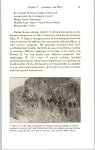
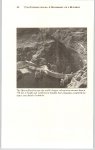
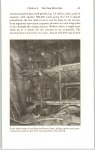
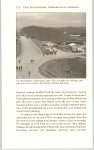
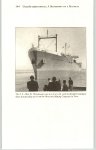
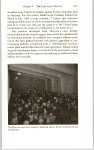
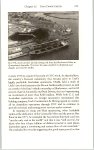
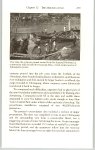
Show Chapter 5 A CHANGING COMPANY ifs) Then, on December 7, 1941, Japanese bombers swooped over Pearl Harbor, and the United States found itself fighting a two-front war. Already, Utah Construction was in the thick of things, with the War Department as a major client. Safe inside volcanic cliffs, Utah personnel worked without interruption for eleven months during the crisis as they labored on top-secret fuel depositories known as the Red Hills Storage Vaults on Oahu, Hawaii. Construction began in January 1941 on four underground fuel tanks, 250 feet deep (about the height of a twenty-story building) and one hundred feet in diameter, with fifty-foot radius domes at top and bottom. Additional contracts with the Navy Bureau of Yards and Docks for sixteen more vaults made Red Hills one of Utah’s largest—as well as the most unusual—defense contracts of the war. Confronting challenges outside Utah’s previous experience, company engineers and site superintendents developed ingenious construction methods at Red Hills. For instance, the project required excavating more than 1.7 million cubic yards of red volcanic rock. Utah saved time and effort by placing the blasting charges so that the discharged rock fell directly onto a conveyor belt, which moved it to a crusher in an adjacent tunnel. Also, Red Hills required 10,000 tons of reinforcing, structural, and tunnel steel plus enough quarter-inch steel plate to cover forty-five acres. It took 413,000 yards of concrete and nearly eighteen million sacks of cement for grout and gunite lining. The facility, completed in October 1943, stored up to six million barrels of diesel fuel for vessels of the Pacific Fleet. To defeat the Axis, the Allies would need all the fuel and all the ships that industry could supply. Even before Congress declared war, Utah began building ships. In 1939, as Hitler’s war raged in Europe, the firm joined in forming the Seattle-Tacoma Shipbuilding Company, the first of many such joint ventures during the war years, often with Utah’s dam-building partners. As with most early war contracts, Seattle-Tacoma’s initial business came from the British government. As the American role increased, so did the contracts the government offered, leading to the eventual creation of nine other shipbuilding firms, most located on the Pacific Coast and involving Utah with an interest between 3 and 10 percent. The names of these companies became legendary as the United States |