| OCR Text |
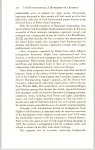
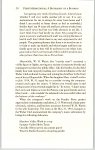
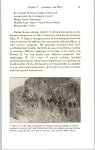
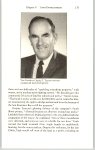
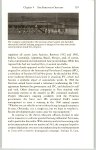
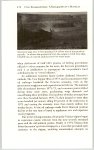
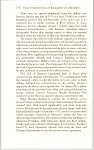
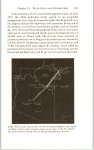
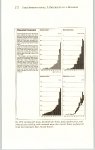
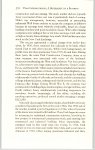
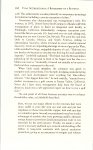
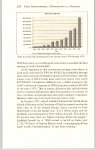
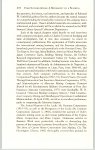
Show ah a UTAH INTERNATIONAL: A BIOGRAPHY OF A BUSINESS as ha ad 288 1950-1976 SS Net Income $180,000,000 + $160,000,000 $140,000,000 $120,000,000 $100,000,000 $80,000,000 $60,000,000 - $20,000,000 - eT epee Tae eee e en $40,000,000 - $0 1950 1955 1960 1965 1970 1971 1972 1973 1974 1975 1976 Year Source: Company annual reports for years indicated. Chart showing Utah International’s net income from 1950 through 1976. With that action, an invisible gavel came down to conclude the final meeting of Utah’s shareholders. At the beginning of that momentous meeting, forty shares of Utah stock, purchased in 1900 for $4,000, had multiplied through stock splits and stock dividends to equal 1,289,360 shares. After the merger vote, at $68.25 each, those same forty shares were worth $87,998,820. Calculated a different way, a dollar invested in the Utah Construction Company in 1900 had grown to almost $22,000 by the end of 1976. This, of course, did not include cash dividends paid to investors during more than three-quarters of a century of busy, turbulent, and prosperous years of the company’s operation. However, there was even much more growth to come. In October 1991, when Littlefield dedicated the David Eccles School of Business at the University of Utah, he pointed out that the total value of all the General Electric shares received by Utah shareholders from the merger was “$11.5 billion today and the dividends received amount to $335 million annually. This alone is 89 percent more than our highest earnings before the merger.” Littlefield himself (as of 1984) owned or served as trustee over 2,736,738 shares of General Electric stock. Contemplating all this paper wealth, Littlefield added, “It sure beats working.” |