| OCR Text |
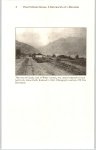
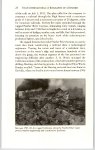
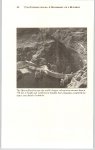
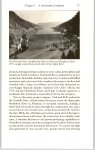
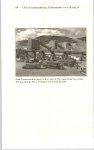
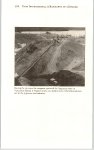
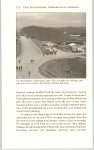
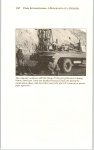
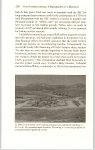
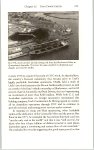
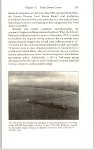
Show 46 UTAH INTERNATIONAL: A BIOGRAPHY OF A BUSINESS tall structure would supply water to a quarter million acres of arid land and vast quantities of electrical power to western cities and farms. Planning for the project began in September 1930 under the name Hoover Dam, but as the Depression deepened and the incumbent president failed to achieve reelection in 1932, it became Boulder Dam, then by joint resolution of Congress in 1947 became Hoover Dam again. While the gigantic Hoover project certainly represented a huge step for Utah, the company was hardly a newcomer to dam building. In addition to filling relatively minor contracts on irrigation projects, Utah had erected several substantial dams by the time bidding for Hoover took place. In the aftermath of the great San Francisco earthquake in 1906, city engineers began plotting a dam for power and water on the Tuolumne River. Utah subsequently teamed with Transbay Construction Company to build the O’Shaughnessy Dam (usually called Hetch Hetchy, after the reservoir behind it), a 675,000-cubic-yard structure with a price tag of $6.1 million. A gravity dam 430 feet high with a crest length of almost one thousand feet, it holds back more than 360,000 acrefeet of water and delivers an installed power capacity of 67,500 kilowatts. The company’s first major dam project turned into one of its longest jobs ever, with preliminary work in 1914 and its dedication not until 1938. Another Hetch Hetchy footnote relates to the ongoing discomfort over the dam among Bay Area environmentalists, although Utah was never more than peripherally involved in the controversy. Work on another major dam near Mackay, Idaho, began in 1917 after a turbulent history dating back to 1906. At that time, the Big Lost River Land and Irrigation Company organized in response to the Carey Act of 1894, which provided federal irrigable land if a state would develop it with private capital. The irrigation company planned a dam to water some 100,000 acres in Butte County. Land advertised for 50 cents an acre and water rights for $25 and $35 an acre in Powell Tract—30,000 acres named for their proximity to the Powell Station of the Oregon Short Line Railroad, also a Utah Construction job. When Big Lost River could not raise the necessary funds, its Chicago-based bonding company, Trowbridge & Nivers, took over |