| OCR Text |
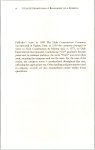
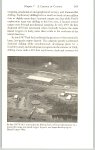
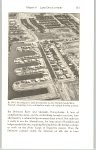
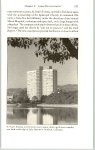
Show 142 UtaAH INTERNATIONAL: A BIOGRAPHY OF A BUSINESS areas where the participants may continue their social and civic activities.” Utah also became heavily involved in the development of industrial parks. Its first project went up on land owned by the South San Francisco Land Development Company, which once held title to most of the real estate comprising South San Francisco, where only 350 acres remained undeveloped. Utah saw a chance to use its earth-moving capabilities to increase the land’s value, so it bought the company, dissolved it, and then moved more than three million cubic yards of material to fill a marsh. Land values almost instantly appreciated from $4,000 per acre to $37,500 per acre. Notable companies locating their warehouses and other facilities on this development, with aggregate floor space amounting to approximately 1.5 million square feet worth $18 million, included Zellerbach Paper, Armour and Company, Folger Coffee Company, Rome Cable Division of Alcoa, and the Chicago Pneumatic Tool Company. As time passed, tenants included Xerox Corporation and the Pacific Plastics Company. Situated near the Southern Pacific Railroad line, the Bay Shore Freeway, and the San Francisco International Airport, the South San Francisco Industrial Park became one of Utah’s most successful ventures, despite intense competition from nearby industrial parks. The company developed its second industrial park in El Segundo, California. Like the San Francisco property, it lay near an international airport. A clientele focused on the electronics and aerospace industries leased these facilities and employed more than 10,000 people. Built in half the time required at South San Francisco, the park gained recognition for its distinctive and beautiful buildings, some of which featured palm trees along their roofs. The Scientific Data Systems Building won the Governor’s First Annual Design Award “for outstanding contributions to environmental design,” and two national architectural magazines featured the building. The Aerospace Corporation Building also received plaudits for its beauty and was recognized by the Los Angeles Chamber of Commerce. When the company sold all of its El Segundo properties, gross revenues totaled $18 million. Profits in industrial land development came also from projects in Martinez and Torrance, California. At these sites, however, Utah |