| OCR Text |
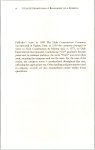
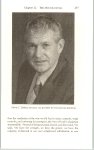
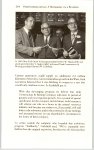
Show 192 UTAH INTERNATIONAL: A BIOGRAPHY OF A BUSINESS while before any tribal chairman insists that the state treat Indians fairly.” CERT attracted national media attention when MacDonald asserted to Time that no Native American tribes with energy resources on reservation lands had been represented at the Camp David talks on energy in 1979. CERT, which controlled one-third of western America’s strippable coal, demonstrated its serious intentions by hiring Ahmed Kooros as its economics and finance director. Kooros had been Iran’s deputy minister for economics and oil. CERT’s stated aim was to avoid the traditional practice of having Indian leases negotiated solely by the Bureau of Indian Affairs (BIA), claiming that such leases had traditionally paid low royalties and had given Native Americans little control over their own land. MacDonald pointed to the lease with Utah International, which had been contracted at a royalty of 15 cents per ton and had been increased only to 25 cents in the intervening twenty-two years. But a mineral officer for the BIA argued that the original lease price was not unfair at the time. The problem came because the agreement contained no escalator clause. MacDonald, who had renegotiated many such leases in court, began to threaten a similar course for Utah. “We are going to break it or shut things down,” he warned in the Time article. The flamboyant chairman did neither before leaving office shortly thereafter, but such contentions raised numerous questions about the genuine effects of the mine and the power plants upon the Navajos. After examining the history of the Utah Construction— Navajo relationship, few would argue that the arrangement had not benefitted the people of the reservation enormously, as lease and royalty payments from the mine and the power plants funded public works projects, including improved health and education programs. In addition to its $400 million investment, the company built an annual payroll of $2.8 million, 60 percent of which went to Navajos, a figure that would likely rise to 80 percent as more tribal members received training in the skills necessary for the highly mechanized process of stripping coal. Utah also contributed to community well-being directly through significant donations. When Navajo Community College, for example, was established as the first public college on an Indian |