| OCR Text |
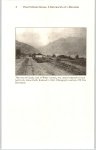
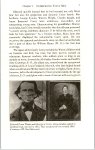
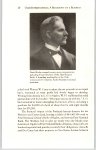
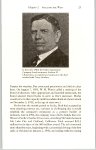
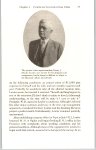
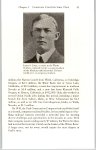
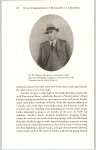
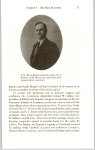
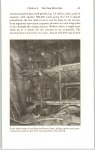
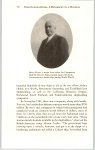
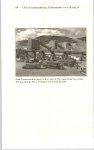
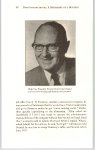
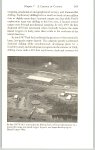
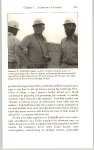
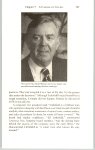
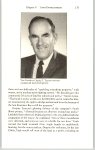
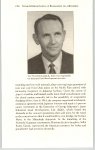
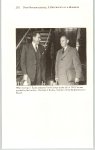
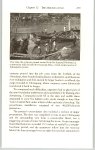
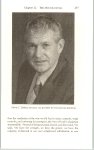
Show 36 UTAH INTERNATIONAL: A BIOGRAPHY OF A BUSINESS station troops along the route to protect the construction workers. Unwilling to trust its safety solely to the Mexican troops, Utah armed its managers with revolvers and established its own police force. True stories of the ensuing adventure soon grew to legendary proportions in company lore—a paymaster with bags of silver pesos, hard-riding revolutionaries and banditos, gunfights, bustling camps where as many as five thousand laborers lived in banana-leaf huts, breathtaking scenery, hair-raising skirmishes with nature and the terrain, and strong-willed Americans determined to manage thousands of Mexican employees in a culture as remote as the common border was close. To wrangle with these dynamics, corporate officers sent to Mexico a fifty-four-year-old veteran manager named Henry J. (Hank) Lawler. Short in both stature and temper, the outspoken Lawler abstained from tobacco, alcohol, and nonsense of any kind. For example, an associate remembered him to be “as punctual a man as possible to be. If he had an appointment with anybody, regardless of their status, if they were late, he would leave.” Consistent with these characteristics was Lawler’s quick pen, with which he readily described job conditions and routinely complained about every one of them. While the steady stream of his letters and telegrams constantly worried company leaders in Ogden and San Francisco, it also provided a colorful and prolix chronicle of the Mexican enterprise. Additionally, his correspondence with the Wattis brothers opened an intriguing window onto the management style of Utah’s top leadership at the time. Lawler had taken the position under somewhat strained conditions. E. O. Wattis planned to supervise the Mexican job himself. Plagued by ill health, he persuaded Lawler to take it although the stocky foreman subsequently expressed misgivings to company president W. H. Wattis on June 24, 1923, when the two met at the Weber Club in Ogden. When W. H. bristled that it did not matter to him one way or the other whether he accepted the post, Lawler sulked away, taking Wattis’s response as a negative reflection on his worth to the company. After brooding for four days, Lawler wrote W. H. saying he wouid either resign from the firm or take the Mexican assignment |