| OCR Text |
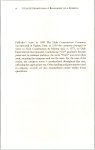
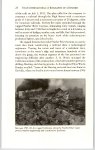
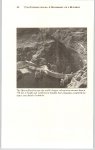
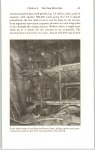
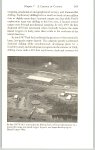
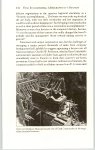
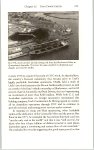
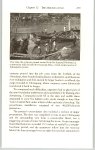
Show 70 UTAH INTERNATIONAL: A BIOGRAPHY OF A BUSINESS another earth-filled dam, a three-year project just seven miles up the Ogden River from corporate headquarters. Under the auspices of the Bureau of Reclamation, Pineview Dam was erected in a $1.5 million joint venture to provide irrigation water and power for Ogden City. Another significant water project was the Imperial Dam in California. Prior to its construction, California water companies spent up to $1 million a year to remove tons of silt from the water emerging through the All American Canal. Located over terrain difficult to de-water, Imperial demanded as many as twentyeight hundred well-points connecting sixty pumps to blot seepage. To cope with the silt, the combine installed fifty-five control gates on the dam canals to operate four settling basins where seventy-two scrapers moved 70,000 tons of mud per day into underground galleries; from there, it flowed back into the river bed below the dam. After the dam’s completion in 1938, the Imperial Valley received clear water from a chocolate-brown river. Throughout the Depression, New Deal spending spawned a whole string of such dam-building adventures for earthmoving companies like Utah. As Cooke intimated, FDR seemed intent on taming every wild river in the country. Two additional examples of federal projects were Taylor Park Dam near Gunnison, Colorado, and Seminoe Dam on the North Platte in Wyoming, not far from Rawlins. The 200-foot Taylor Park reached completion in 1937 at a cost of about $1.2 million. Three of Utah’s Six Companies partners, M-K, Bechtel, and Kaiser, also participated in the project. As the Gunnison job ended, Utah was almost two years into the Seminoe dam, another joint venture, this time with M-K and Winston Brothers Company. Winston had provided the sponsoring impetus on Seminoe but enjoyed the other two companies’ proven expertise in concrete dams. A 300-by-5 30-foot arch structure, it required an installed powerhouse—a kind of miniature Hoover. When finished in 1939, Seminoe cost almost $4.5 million. Roosevelt’s water reclamation agenda also included dams to restore and electrify flood-damaged regions outside the West, particularly in the impoverished Tennessee Valley, a region almost as large as the United Kingdom. To aid him in this aim, Congress established the Tennessee Valley Authority (TVA) in 1933. This brought Utah Construction eastward to participate in a number of |