| OCR Text |
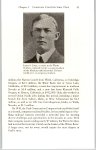
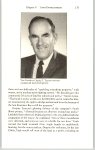
Show Chapter 3 COMPANIA CONSTRUCTORA UTAH 41 Sloan, President H. B. Titcomb from Tucson, and T. G. Wright, manager of the shipping terminal in Nogales, Arizona. In response, Titcomb wired E. O. Wattis on January 26 that he had received a wire from Sloan informing him that Lawler was “not satisfactory to military authorities. Believe you should consider quick change.” Titcomb also assured E. O. that the rebels posed “no serious trouble and no cause for worry.” In addition, on January 28, Lawler himself refused in a terse telegram to come: “Impossible leave at this time as I want to try to get forces organized again.” Three days later, he sent another cable in which he sought to reassure the Wattises: “Situation greatly improved. All camps working between Tepic and Port Ozuelo.” Then, only days after Lawler’s second telegram, a Mexican bystander was wounded in a gunfight with the rebels. Lawler refused to send a company rail car to pick up the wounded man, and he fired two Utah Construction employees who helped the federales take the injured man to Tepic. Titcomb sent the Wattis brothers a telegram on February 4, demanding that Lawler be replaced at once. The Wattises responded the next day: “We have wired Lawler instructions to put work in charge someone else and immediately come in for conference.” What happened next is not entirely clear. That same day, E. O. wrote his brother: “I am enclosing two telegrams that I have sent to Lawler. Seems to me that either one of them is plain enough so that he should come.” E. O. suggested that Lawler bring his personal belongings, in case of a change in superintendents. He then tried to sweeten the message with an indication that rewarding opportunities awaited Lawler in the States. Amazingly, Lawler seemed to ignore both Wattis directives and remained at La Quemada for another month. On February 29, he wrote brusquely, “If we expect to finish anywhere near on time, we will have to quit posing, go to work and let somebody else do the wet nursing of Mexicans and quit chewing the fat as to who did or did not step on the dignity of some ex-Mexican peon.” This was Lawler’s last communication from Mexico. When he began receiving death threats, he left for the United States. Despite Lawler’s important efforts during the early phase, his inability to deal with SPM officials, the Mexican army, and local |