| OCR Text |
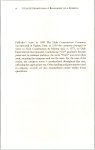
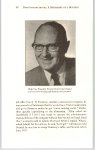
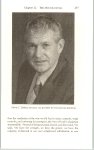
Show INTRODUCTION X1X Reserve Board actually stalled economic recovery during the depression of 1919-21 and the Great Depression by contracting the money supply. Federal Reserve Board members feared inflation! Eccles, on the other hand, believed that the government should provide mechanisms for guaranteeing the stability of the banking and monetary systems and that the federal government should finance projects to compensate for the failure of the private sector to provide full employment. Although many economists credit John Maynard Keynes with originating the idea of compensatory governmental spending, Eccles came independently to the same conclusions, and he had a decisive influence on policy during the New Deal in spite of opposition to many of his ideas from Treasury Secretary Henry Morganthau. Eccles moved to Washington and helped to draft the Emergency Banking Act of 1933, the Federal Deposit Insurance Act of 1933, the Federal Housing Act of 1934, and the Federal Banking Act of 1935. These acts created the modern federal reserve and deposit insurance systems, and helped revive home construction. In recognition of Eccles’s ability and service, President Franklin Roosevelt appointed him to the chairmanship of the board of governors of the Federal Reserve System, a position he held for seventeen years. Continuing in his efforts to promote compensatory government spending, Eccles convinced Roosevelt to help cushion the impact of the recession of 1937-38, and after World War II he helped organize the World Bank, the International Monetary Fund, and the Export-Import Bank. As Eccles worked in saving the nation from economic disaster, he also exercised his extraordinary executive skills on behalf of Utah Construction. As often happens in closely owned companies, some family members thought that the business ought to provide them with jobs and management positions regardless of their level of business acumen. Recognizing this as an invitation to disaster, Eccles and his supporters resisted these efforts, and the resulting internal feud led members of the W. H. Wattis family to sell their stock. The Browning family and others secured stock at that time. As chairman of the board, Eccles moved aggressively to hire and keep active and creative entrepreneurs in company leadership positions. In 1951 the board appointed Allen D. Christensen as executive vice president and general manager. Christensen moved |