| OCR Text |
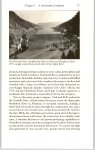
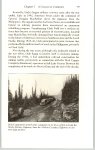
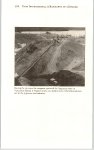
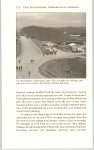
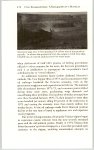
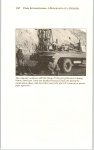
Show 12 UTAH INTERNATIONAL: A BIOGRAPHY OF A BUSINESS Donan of South Dakota, for example, predicted the city’s future in The Oregonian, July 25, 1892. “The railroads must come to Astoria, and are coming,” he wrote. “It will be but a few months at most till the ponderous iron steed, with hoofs [sic] of steel and lungs of fire, will thunder into the portals of Astoria, and shriek his flaming salutation to the ships along her docks and wharves.” In a stirring vision of the future that never materialized, Donan saw “a mighty city” arising “at the mouth of the Hudson of the West, the Mississippi of the North.” Because of its harbor and the coming of the railroad, he argued, “Astoria is the most promising spot in the New World today.” Such was the common faith in the magic of railroads in the late nineteenth century. Although Astoria did not become the New York City of the West as a result of their labors, the Wattis brothers added to their reputation as accomplished contractors and started a process that changed dramatically their relationship with the Coreys. The company’s involvement in the project had begun when Amos Bonesteel Corey obtained the subcontract from Sheehan. Early in April 1892, a train loaded with grading equipment left Ravelli, Montana, for Portland. Another train, similarly loaded with teams, carts, and scrapers, followed a few days later. On April 11, 1892, a reporter from Daily Talk caught up with W. H. Wattis at the Occident Hotel regarding the scope of the grading project, which the Corey Brothers principal outlined in some detail. The equipment had been unloaded at Kalama, on the east bank of the Columbia River north of Portland. Wattis described his plan for reloading the equipment and shipping it to “the front” at Astoria. That term “front” and its connotation of combat suggested the difficulties of the job. Not only did the builders face the elements and perform bone-jarring work, but financial battles also raged around them as some wondered about the motives of the project’s “mysterious” backers. Ostensibly, the railroad line would serve Portland, which had a natural deep-water harbor and reasonable land transportation from Astoria. Nevertheless, many suspected that the line was more than a modest inter-city shuttle. Rather, it might connect with tracks laid hundreds of miles to the east, bypassing Portland completely. Indeed, Andrew B. Hammond, hoping to export the Northwest’s timber through Astoria, had |