| OCR Text |
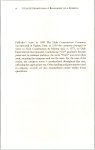
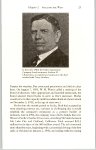
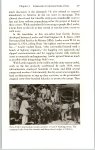
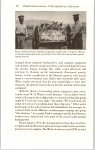
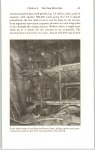
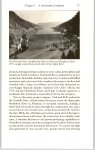
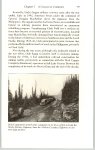
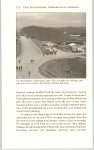
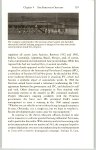
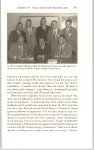
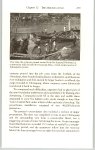
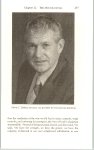
Show Chapter 1 ENTERPRISING YOUNG MEN 15 Oregon Pioneer Association, an excursion to Fort Stevens, street parades, a concert at the opera house, banquets, a torchlight procession of steamers and boats, and a literary exercise with a stirring oration by John Fiske of Cambridge, Massachusetts, a Harvard-educated philosopher, educator, and historian. Without similar fanfare, Corey continued laying track through 1892 and into 1893. Then, as the national financial Panic of 1893 hit, banks began to close and funds disappeared. The Ogden bankers who were underwriting Corey Brothers organized an expedition to visit the Portland-Astoria site. David Eccles, president of First National Bank in Ogden, Thomas Duncombe Dee, board vice president, and Second District Judge Henry H. Rolapp arrived late one morning in 1893 to discover W. H. Wattis operating a horse-drawn slip plow. Dee later recalled how Wattis responded to the visitors’ whistle by dropping the reins, wiping his forehead, and striding over, his worn shoes crunching in the bed of dirt and gravel. As the red-haired W. H. greeted the bankers, one handed him a cigar. “I wish it had been a 25-cent piece,” he later quipped, “since I hadn’t eaten food for a day anda hat.” Corey Brothers’ obligations had to be met, and the contract called for completing twenty miles of roadbed before payment came due. Corey completed the first twenty miles of blasting, grading, and track-laying, cleared the second twenty miles, and began tunnel work on the third twenty-mile stretch. The unusual payment terms included a financial subsidy from the City of Astoria but forced the Corey-Wattis partnership to pay all construction costs without any interim income from the railroad company. Due to bank failures, the firm could find no funding to fill that gap. Predictably, building twenty miles of railroad and preparing another forty miles of track bed exhausted the fledgling company’s resources. As a consequence, all of the Corey’s outfit went on the auction block to meet local obligations. The company’s plight worsened with the bankruptcy of the Gold Creek Mining Company near Elko, Nevada, where Corey Brothers was constructing irrigation canals and a dam. Corey had filed a lien on those Gold Creek assets related to its construction activities but not on the water rights, and consequently obtained nothing. |