| OCR Text |
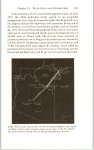
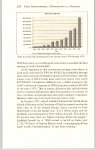
Show Chapter 2. STEELING THE WEST 23 worked as a timekeeper on that project.) Completing this job in 1900, Utah accepted contracts for the Denver & Rio Grande Western’s Park City branch line and the OSL’s Blackfoot spur in Idaho that same year. OSL management also awarded Utah several smaller contracts, to change grades and curves on existing trackage. These projects in 1900 gave the young company an encouraging start. By early 1901, Utah Construction’s net worth had risen to $50,338, a 24 percent increase over the $40,485 Corey Brothers had posted a year before. At the board meeting on March 11, 1901, Eccles proposed “a dividend of 165 percent on the capital stock issued, declared payable on demand.” The board ratified the proposal out of profits, with a paid dividend of $39,600. At the time, inventory amounted to $53,580, including three spittoons, a roll-top desk and chair, six bobsleds, 271 horse collars, 103 horse blankets, 147 slush scrapers, and thirty-three sets of chain plow harnesses. A year later, net worth had increased to $161,207. But, at the end of 1903, Dee informed stockholders that business had “been reasonably successful but not as remunerative as during the previous year.” He explained that the company simply had “not performed as much operations work nor received as much compensation, but we have done fairly well.” The board consequently voted to award a comparatively modest stock dividend of 10 percent, but there were reasons for optimism. In addition to a number of small projects, Utah had acquired a major contract from the OSL for construction of a Nevada portion of the Oregon and Utah Northern Road. Also, the firm had hired Andrew H. Christensen, an experienced contractor who had worked with the Coreys, adding considerably to Utah’s railroad construction savvy. Christensen concomitantly purchased approximately 10 percent of the company, partially in exchange for his outfit and the cancellation of some notes payable. The Nevada project promised substantial profits for Utah, but no one foresaw the intrigue of the adventure ahead, due to a kind of giant chess game in the desert between E. H. Harriman and Senator William Andrews Clark of Montana, owner of the San Pedro, Los Angeles, and Salt Lake Railroad. Clark planned to link the Los Angeles area directly with Salt Lake City, thereby shortening the |