| OCR Text |
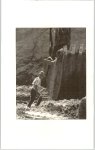
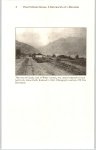
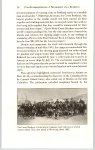
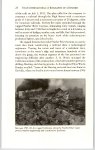
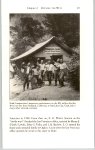
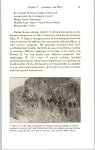
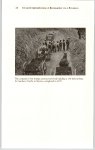
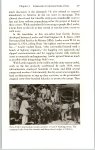
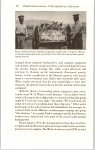
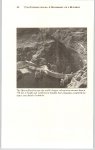
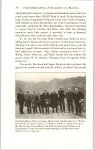
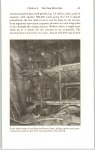
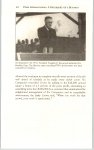
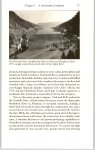
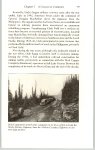
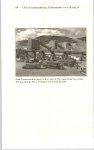
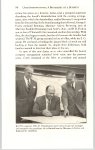
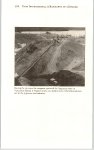
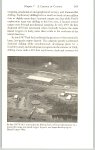
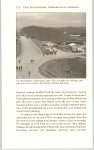
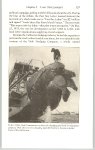
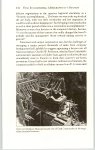
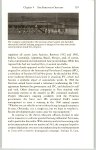
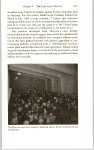
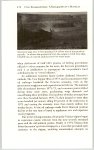
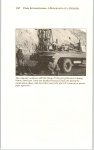
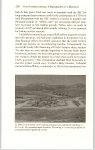
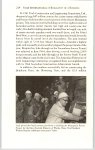
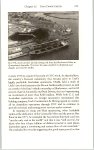
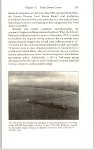
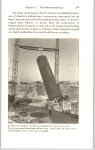
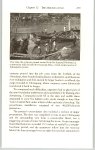
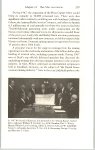
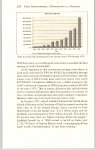
Show 26 UTAH INTERNATIONAL: A BIOGRAPHY OF A BUSINESS of the rails on July 1, 1911. The plan called for the company to construct a railroad through the High Sierras with a maximum grade of 1 percent and a maximum curvature of 20 degrees, a first for mountain railroads. Seventy-five miles stretched through the rugged Feather River Canyon, demanding forty tunnels ranging between forty and 7,500 feet in length for a total of 6.44 miles, as well as scores of bridges, trestles, cuts, and fills. But Utah persisted, focusing its attention on the heavy work while subcontractors performed lighter, specialized tasks. The rugged features that make Feather River famous as a scenic route also made constructing a railroad there a technological nightmare. Tracing the twists and turns of a turbulent river, sometimes at the water’s edge and sometimes hundreds of feet above the gorge, the western segment of the line presented one engineering difficulty after another. E. O. Wattis managed the California section of the construction, which demanded expertise in drilling, blasting, and clearing granite. As his daughter Edna Wattis Dumke recalled, “Some of the blasting occurred near our home in Oroville, where we lived in a two-story brown house between 1906 Between 1905-10, the rugged landscape along the Feather River route posed complex engineering and construction problems. |