| OCR Text |
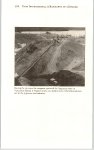
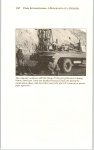
Show 38 UTAH INTERNATIONAL: A BIOGRAPHY OF A BUSINESS odd twist to the old saying, it apparently seemed to Lawler that if he talked about the weather enough, perhaps E. O. would do something about it. Out of patience, W. H. wrote Lawler a stiff reprimand on August 18 for failing to observe the proper chain of command. The letter arrived in Tepic at an inopportune time. A broken part on a steam shovel had shut down operations until a replacement part could arrive from San Francisco. Lawler fired off a letter demanding an apology from W. H., or he would resign. Still fuming and apparently unwilling to wait for a reply, Lawler wrote a formal letter of resignation. “Under no conditions will I work for the company any longer. I would [rather] work in a ditch with a pick and shovel and keep my self respect rather than to be President of the United States.” After two more weeks of silence, Lawler wrote again to retract his resignation while still demanding that W. H. “square himself.” No reply followed. W. H. simply took counsel with E. O., allowed Lawler time to cool down, and thus kept his superintendent. The brothers felt satisfied with Lawler’s abilities to manage the job, noting that he had dealt well with many of its more difficult problems. As time passed into the fall, however, they nevertheless grew concerned about the schedule, realizing that it had been folly to begin fill work before the rainy season ended, usually by mid-October. Finally, on November 2, 1923, W. H. sent his superintendent in Mexico a news-laden letter, concluding with an apology. “The letter I sent,” wrote Wattis, “which you took such strong exception to, I had no thought of personal criticism ... I dictated it hurriedly just as I was leaving for Salt Lake and it never occurred to me that there was anything that would be taken so seriously.” At this point, W. H. hoped to put off any further discussion of the matter, so the company could focus on more pressing issues relative to the floundering project. “It is my opinion that nothing special can be gained by much correspondence about this letter. I certainly hope you will forget about it—at least until such time as [can come down and discuss it with you in person. I feel certain that the explanation I can make to you will be entirely satisfactory.” This exchange highlights an important facet of W. H.’s management style. He clearly preferred to make major decisions and then let his subordinates come to terms with them without |