| OCR Text |
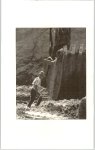
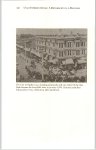
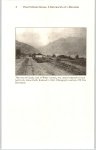
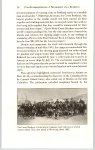
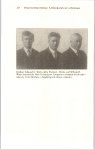
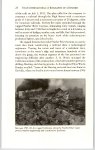
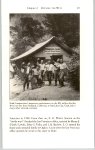
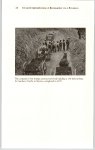
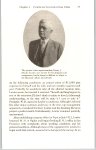
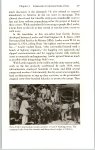
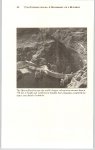
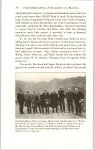
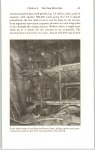
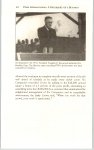
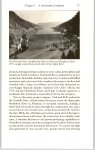
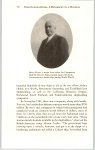
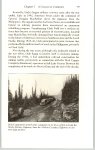
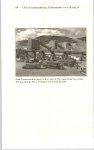
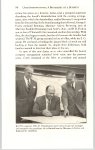
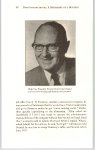
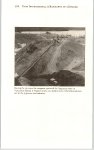
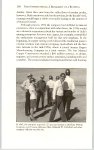
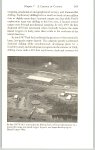
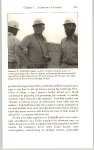
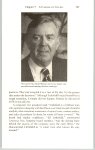
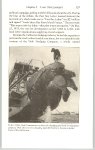
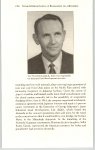
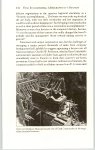
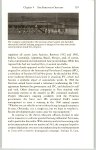
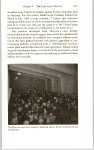
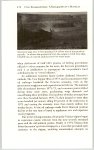
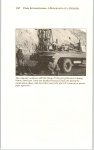
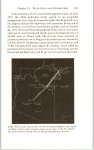
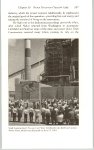
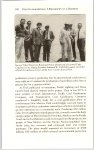
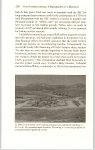
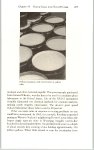
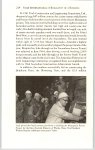
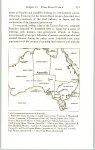
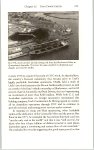
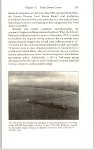
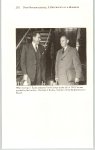
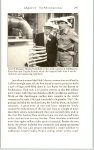
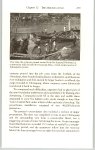
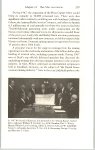
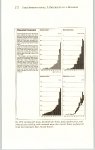
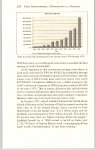
Show Chapter 3 COMPANIA CONSTRUCTORA UTAH 33 much discussion in the aftermath. He also refused to respond immediately to behavior he did not want to encourage. This allowed short-fused but valuable employees considerable room to fuss and fume without jeopardizing either the project at hand or their careers. While undoubtedly frustrating to people like Lawler, it kept them on the job as they waited in vain for some excuse to walk away. In the meantime, as this one-sided feud fizzled, friction developed between Lawler and Chief Engineer E. B. Sloan, of El Ferrocarril Sud Pacifico de México (SPM). Lawler wrote W. H. on January 8, 1924, calling Sloan “the tightest wad we ever worked for....” Lawler faulted Sloan, “who surrounded himself with a bunch of highway engineers,” for haggling over approvals and slipped communications and for nagging Lawler with textbook issues on materials and engineering. Lawler ignored Sloan as much as possible while doing things Utah’s way. With Lawler squarely in the saddle and the rainy season ended, work on the line gradually accelerated. By early 1924, seven subcontractors employed hundreds of teams and filled several camps with workers. Unfortunately, the dry season encouraged diehard revolutionaries to step up their activities, so the government assigned some three hundred federales to protect the camps. They Here, Utah Construction workers prepare a load of blasting power. The company built thirty-five tunnels and thirty-three bridges in Mexico. |