| OCR Text |
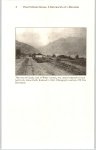
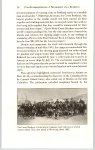
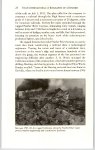
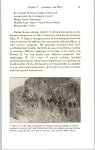
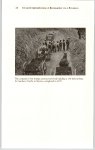
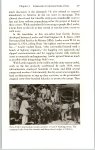
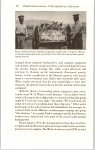
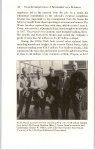
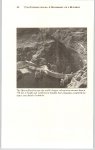
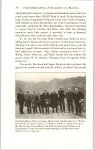
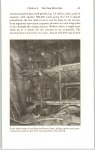
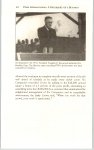
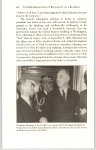
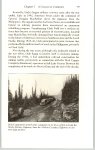
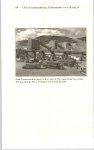
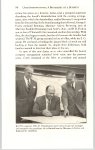
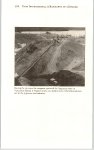
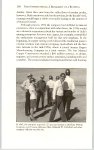
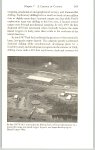
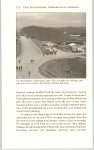
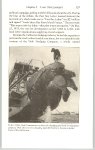
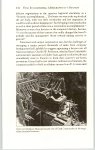
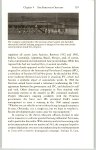
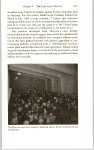
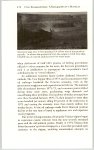
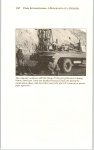
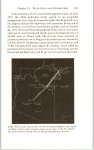
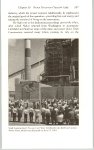
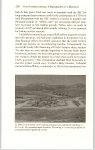
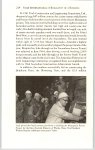
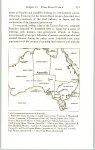
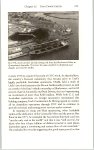
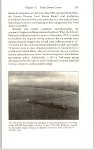
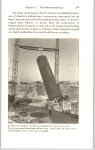
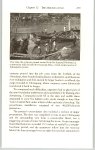
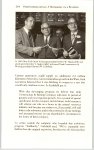
Show THE DAM BUILDERS 49 men went to the dam, overpowered the watchman, cut the telephone lines, and then blasted out the dam’s tower gates with dynamite. In a few seconds, 14,000 acre-feet of water—half the reservoir’s contents—burst like Niagara down the river’s course. Simultaneously, another group damaged three of the four gates controlling the water leading from the Darlington Dam to the canals upstream. represented the last on which Utah employed steam power for heavy construction. Following Guernsey, the firm modernized with diesel-powered, internal-combustion equipment. Perhaps most importantly, the new dam-building techniques Utah Construction tried at Guernsey highlighted the company’s innovative capabilities. Dam construction commonly required diverting the river so that crews could excavate a dry work area down to solid rock. With diversion impractical for the North Platte, Utah used an underwater bucket on a drag-line cable way to dig the river bottom to a depth of thirty feet. Railway cars on a trestle then dumped rock (combined with finer stone and sand) from the tunnel and spillway onto two parallel ridges that formed the upstream and downstream faces of the dam. In the pool between, a hydraulic monitor on MILER ETE Te : ‘ een . Re eye Sietents emer a Rae YON" pia 5 A etic ? la aA this project er \ Also, é (M-K). eit bai Idaho Soe x of Boise, koa Company Se Knudsen Sy Itike NT Sea a Renee a res oe ite seriousness of this vigilante action, investigated by several law enforcement agencies. When the reservoir finished draining, Utah Construction repaired the dam, and two years later, the federal Reconstruction Finance Corporation allowed the Big Lost River Irrigation District to bond itself in order to pay Utah $258,000 for the repairs. On January 25, 1936, the district court declared the irrigation district the legal owner of the Mackay and Darlington water systems and rights. The company finally walked away from the Mackay fiasco, having learned the hard way many important lessons in the dam-building business. The smaller Guernsey Dam played an even more significant role in Utah’s story. Built for the Bureau of Reclamation as a power, irrigation-storage, and diversion unit, and finished in 1927 on the North Platte River in eastern Wyoming, the $1.5 million Guernsey paid dividends well beyond its profit value. It marked the first of many joint-ventures between Utah Construction and the Morrison Rane An article in the Arco Advertiser, on June 23, 1933, stressed the REISS oo pre a lias = Po Chapter 4 |