| OCR Text |
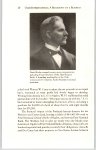
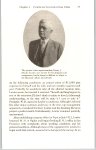
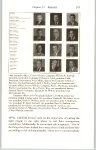
Show le il ein 56 UTAH INTERNATIONAL: A BIOGRAPHY OF A BUSINESS K, 10 percent; Shea, 10 percent; Pacific Bridge, 10 percent; and MacDonald & Kahn, 20 percent. M-K later distributed 4 percent of its share to two individuals: Graeme MacDonald, the brother of Alan MacDonald of MacDonald & Kahn, and Sydney Ehrman, a San Francisco attorney. ee ee Se ee en The new conglomerate comprised more than five thousand employees, a permanent staff of officers, and 156 engineers with a combined technical experience that covered much of western America. The group entrusted the task of assembling a winning bid to Utah Construction’s chief engineer John Q. Barlow, a gruff railroader who never used a calculator, figuring everything longhand. Each company took responsibility for bidding a portion of the job and feeding the figures to Barlow. If Barlow’s compilations differed from the figures received, his experience prevailed. The bid took form in the late months of 1930, with Crowe and an engineer from MacDonald & Kahn hammering out independent estimates for confirmation. Meeting in February 1931 at the Engineers Club in San Francisco, the partners were both astonished and encouraged to discover that the difference between the high and low cost estimates amounted to only $700,000 ($40 million versus $40.7 million). In the meantime, Crowe and other engineers had constructed a working model of the dam to demonstrate their attention to the engineering details. This model often appeared in W. H. Wattis’s hospital room in San Francisco, where he battled cancer even as he participated in important discussions. The third aspect of the bidding process, providing a performance bond, brought a significant challenge as word filtered west from the eastern financial establishment that the surety companies felt little enthusiasm for the Six Companies plan. They worried that $5 million initial capital might not justify the bonding, thinking as much as $8 million might be necessary. They doubted that this combination of companies would work together well enough to see the project through, and they viewed Utah Construction’s ranch holdings with urban disdain. They felt highly skeptical about the Shea operation, which appeared to consist of Charles Shea himself, who ran his company from a hotel room and boasted that he never went near a bank. Finally, they did not like MK borrowing $100,000 from a brother of Felix Kahn’s deceased |