| OCR Text |
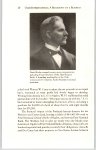
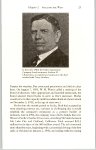
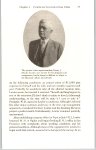
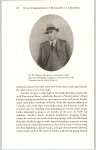
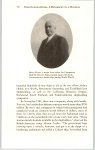
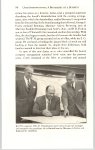
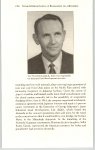
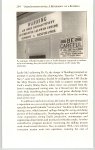
Show 58 UTAH INTERNATIONAL: A BIOGRAPHY OF A BUSINESS Company acted as co-suretors. The final underwriting set a record for a construction bond issued in the United States. With the bonding issue settled, the principals had only to decide upon a final bid. To guard against a leak, they agreed to leave this step until the last moment. Consequently, a few days before the deadline for submission, the group met in W. H. Wattis’s hospital room and settled upon the figure of $48,890,996, which was $220,000 under the government’s estimate, yet still included a profit of 25 percent for Six Companies. On March 4, 1931, three Hoover Dam bids lay in sealed envelopes on a table in a vacant retail store beneath the Denver office of the Bureau of Reclamation. Only these three bids qualified, though the Bureau had invited more than one hundred firms to bid, chosen from two hundred companies that sent representatives to the initial announcement meeting. The qualifying candidates were Arundel Corporation, Woods Brothers Corporation, and Six Companies. When the envelopes were opened, Six Companies had underbid Arundel by $5 million and Woods by nearly $10 million. Stories circulated after the meeting that Six Companies executives had developed cold feet on the train from San Francisco and chopped $2 million off their bid—making it the most expensive train ride in history. The story was untrue but illustrated the bewilderment surrounding Six Companies’ dramatically low bid for the gigantic project. On March 11, 1931, Secretary of the Interior Ray Lyman Wilbur officially awarded the contract to build Hoover Dam to Six Companies. Two weeks later, seventy-two-year-old W. H. Wattis signed the contract in San Francisco. Confident that his cancer treatments were working, he talked exuberantly about his imminent return to work on the greatest construction project in American history. “Twenty years ago,” he said, “it would not have been possible. Modern machinery and modern engineering methods have made it possible.” Wattis knew, however, that Six Companies needed to create a lot of possibilities from scratch. The government timetable was short, calling for completion of the four diversion tunnels by October 1, 1933, the cofferdams by May 1, 1934, the high dam for water storage not later than June 15, 1936, and power generation by 1938. |