| OCR Text |
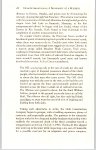
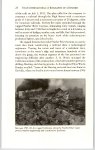
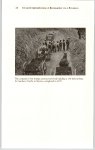
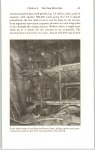
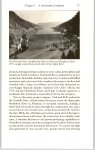
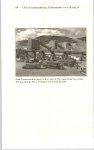
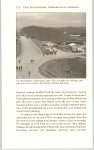
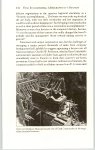
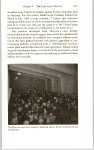
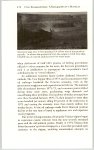
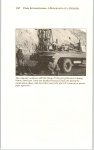
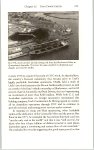
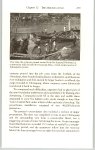
Show 62 UTAH INTERNATIONAL: A BIOGRAPHY OF A BUSINESS also went into the project. As W. H. Wattis predicted from the beginning, the toughest jobs turned out to be the foundation and tunnel work. Workers drilled and pressure-grouted foundations and abutments at five-foot intervals up to 150 feet deep. After this, the dam construction itself began. Crews poured the “mud” in columns or sections and set them with a water-gas tar mixture between expansion joints. Frank Crowe, the project’s colorful superintendent, explained the precise ordering of tasks. “We had five thousand men jammed in a four-thousand-foot [wide] canyon. The problem, which was a problem of materials flow, was to set up the right sequence of jobs so they wouldn’t kill each other off.” The Hoover’s tunnel system alone stands as an engineering and construction feat. Four diversion tunnels, fifty feet in diameter, punch through a total of nearly three miles of rock. When the dam reached completion, the two upper tunnels were plugged at the intake ends, then linked to the spillways on either side of the dam so they could continue to carry excess water out of the reservoir. Two thirty-foot penstock tunnels, 230 feet long, and two shorter penstocks connected to the four intake towers to deliver hydropower to turn Pelton wheels that drive the dynamos. To control water flow at the four canyon outlets of these penstocks, Crowe and his men installed eight great needle valves on each unit, each valve six feet long. When complete, the dam stood 730 feet above bedrock and stretched 1,244 feet across the crest. At its base, it was 660 feet thick, tapering to forty-five feet at the top. When Lake Mead filled behind the dam, the lake extended 115 miles upstream and contained 30.5 million acre-feet of water, with a further flood capacity of 9.5 million acre-feet. The dam’s power plant capacity of 1.835 million horsepower could generate enough electric current (1.350 million kva [1 kva = 1,000 volts]) to qualify it as the largest concentration of power-generating units in the world. Historians still debate the number of men who lost their lives building Hoover Dam, a number certainly in the scores. The food concession, for example, lost six men to heat exhaustion in its kitchens. Falling rock in Black Canyon killed two men only days after the project began. Searing heat in the canyon and often |