| OCR Text |
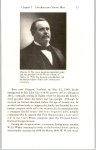
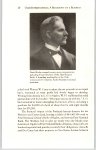
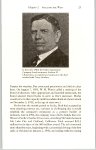
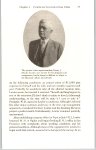
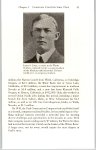
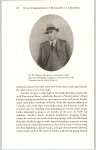
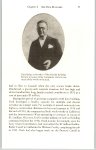
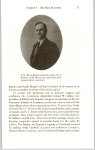
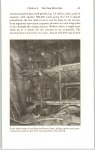
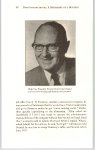
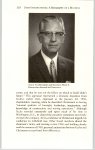
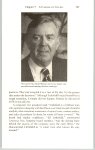
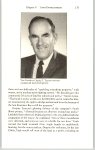
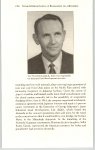
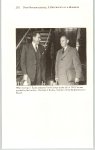
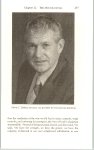
Show Chapter 5 A CHANGING COMPANY 67 With his brother George S. Eccles, and the Browning family of Ogden, he formed the Eccles-Browning Affiliated Banks in 1924, forerunner of the First Security Corporation, perhaps the first multibank holding company in American history. Before age forty, Eccles had become one of the nation’s shrewdest and most successful banking entrepreneurs. His ingenious efforts saved not only First Security but also the Deseret National Bank of Salt Lake City from disaster with the onset of the Great Depression. Eccles came to believe in the necessity of national compensatory monetary and fiscal policy to prevent the complete collapse of the American banking system. Consequently, he helped draft the Emergency Banking Act of 1933 that created the Federal Deposit Insurance Corporation (FDIC). In doing so, Eccles caught the attention of President Roosevelt, who in 1934 appointed him to the board of governors of the Federal Reserve System. Two years later, Eccles became chairman in time to be instrumental in countering the effects of the recession of 1937-38. The Utahn headed the board until 1948 and remained as a governor until 1951. Although as president of the Utah Construction Company he had no direct managerial responsibility, Eccles kept a close eye on the firm, regarding it as one of his father’s most important investments. In addition to his duties in Washington during the 1930s, Eccles oversaw the Amalgamated Sugar Company, First Security Bank, and the Eccles Investment Company. To run Utah Construction, Wattis cousin and veteran company executive Lester Corey assumed the role of general manager, “whose duties,” read the corporate by-laws, “shall be to look after and superintend all operations of the company.” Eccles attended most Utah board meetings and rose in September 1940 to chairman of the board when Corey became both president and general manager. With Corey in charge and despite the ongoing Depression, Utah’s activities escalated after the completion of Hoover Dam as dam building continued to dominate its work during a decade of big dams, not only for Utah and its partners but for the United States as well. Promising electrical power, renewed agricultural bounties, jobs, and insurance for the success of an industrial democracy, the giant dams captured the imagination of President Roosevelt and Depression-weary Americans. “After Boulder,” observed historian |