| OCR Text |
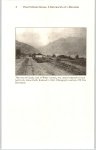
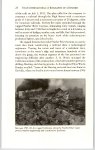
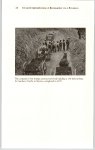
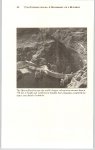
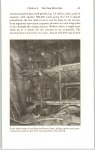
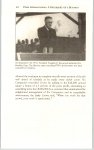
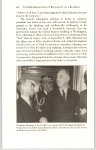
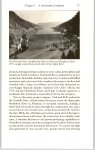
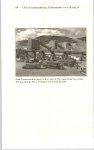
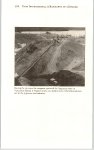
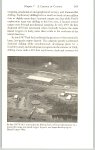
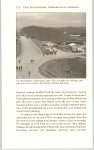
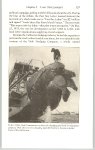
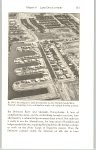
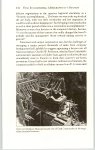
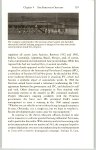
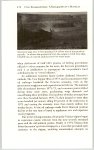
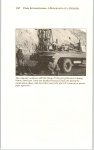
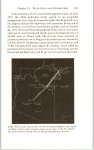
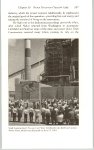
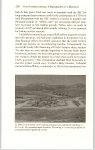
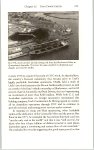
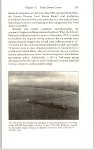
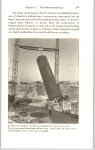
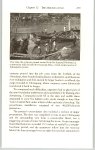
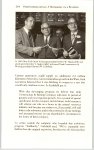
Show 68 UTAH INTERNATIONAL: A BIOGRAPHY OF A BUSINESS Alistair Cooke, “Roosevelt was consumed with a passion for more dams.... The dam may be taken as a symbol of Roosevelt’s New Deal, a majestic exemplar of the doctrine that ... more electricity, more power, was to be the guarantee of what Roosevelt called ‘the more abundant life.’” With the dam complete on the Colorado River, America’s attention focused on its other Pacific-bound river, the Columbia. Learning that the Bonneville—the first big dam across the Columbia—would be built forty miles east of Portland, Henry Kaiser immediately contacted his associates in Six Companies about a new joint venture. Utah and four other companies joined to form the Columbia Construction Company. As with the Hoover, the group faced problems in financing the project. Bonding companies feared that the size of the Bonneville job precluded individual companies from bidding on other projects without permission from each member of the bonding syndicate. Once the articles of incorporation were amended to allow each firm to negotiate its own bonding arrangements, the United States Treasury Department approved the bonds and Columbia Construction prepared a successful bid of approximately $17 million. Actually constructing the Bonneville Dam to government specifications also posed a major problem. The United States Army Corps of Engineers dictated that the project provide a constant flow for downstream navigation and power generation, regardless of seasonal shifts in water level. To accomplish this, the Army located the dam at a point where the river divided. Most water flowed through the north channel, so Columbia Construction built a slaband-buttress dam there, 197 feet high and 1,450 long. The dam diverted the water into the south channel, where a powerhouse and power plant controlled the distribution of federally-generated electricity. When completed in 1940, Bonneville included eighteen spillways for water-level adjustment. Another challenge lay in preparing the foundation for a dam on a river measuring sixty feet deep with velocities up to twelve cubic feet per second. To de-water the site, the company constructed cofferdams and wooden cribs to receive tons of river silt from barge-mounted clamshells. As pumps dried the beds, earth-moving equipment extracted more than six million cubic yards of dirt and boulders down to bedrock. |