| OCR Text |
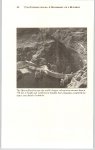
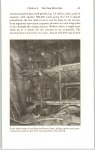
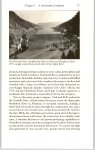
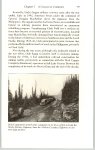
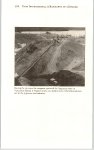
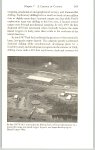
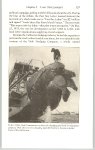
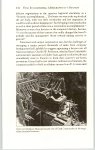
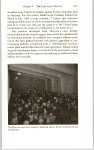
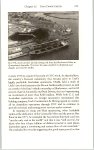
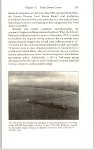
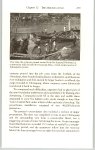
Show Chapter 5 A CHANGING COMPANY 69 The Bonneville Dam was only the first effort on the Columbia. A second, even larger, job began upstream in 1938, some ninety miles west of Spokane. Kaiser again sponsored a joint venture known as Consolidated Builders to erect the mammoth Grand Coulee Dam at an approximate cost of $65 million. The group included Utah (with an 8 percent interest), Morrison Knudsen Company (M-K), Shea, MacDonald & Kahn, Pacific Bridge, and General Construction Company, as well as another association of contractors that had already accomplished the foundation work at the dam site. Among the technical challenges was freezing an entire hillside to prevent slides by pumping refrigerant through buried pipes. Perhaps the greatest challenge came with the massive volume of the dam itself. Consolidated devised an enormous concreting process that placed more than ten million cubic yards of concrete— three times more aggregate than had ever gone into a single structure in all of history. For two years, a couple of 270-ton, double-cantilever cranes moved along a trestle two hundred feet high and thirty-six hundred feet long, with 356-foot booms from which poured almost four hundred cubic yards of concrete every hour, day and night. During one twenty-four-hour period, 20,697 yards of concrete sloshed into the forms, an all-time record. As the dam rose from the river bed, workers latticed the concrete with 2,200 miles of steel pipe to carry cold water through the “mud,” speeding the curing which, unaided, may have taken up to 150 years. Finished in 1941, Grand Coulee stands as tall as the Washington Monument—550 feet above the river bottom—with spillways twice as high as Niagara Falls. With the capacity to irrigate more than one million acres, the dam also powered eighteen generators that could produce in excess of 1.9 million kilowatts of electricity. While “big dams”on the Colorado and Columbia captured the American imagination, Utah and its associates also built many smaller dams during this period, including the Cooney Dam on Montana’s Red Lodge Creek. A half-million-dollar operation completed in 1936, Cooney required an earth fill less than one hundred feet high but almost half a mile long. Working in partnership with M-K a year later, Utah crews finished work on |