| OCR Text |
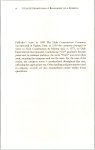
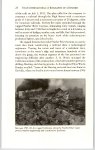
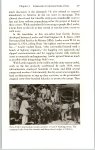
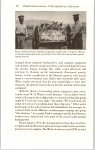
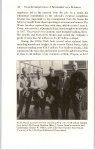
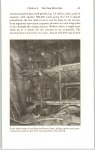
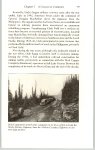
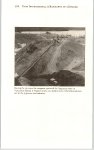
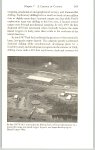
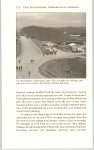
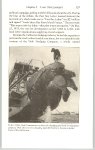
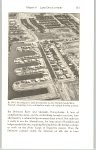
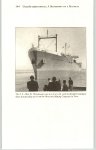
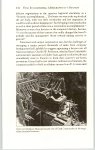
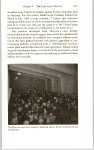
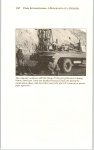
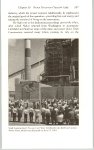
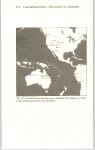
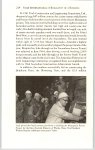
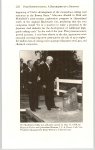
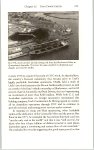
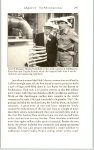
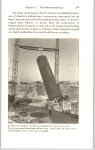
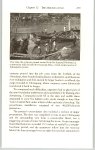
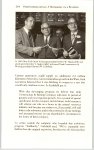
Show Chapter 5 it was a brainchild A CHANGING COMPANY of Henry Kaiser, a bald Af bullfrog of a Within a few months after America’s entry into the war, the joint venturers in these nine companies realized that, for the sake of efficiency, the East and West Coast operations should function separately. As a result, Utah and the other western companies agreed to a plan whereby the Todd Shipyards Corporation (a major eastern member of the consortium) would purchase the stock of the shipbuilding companies located in the East and sell its interest in those located in the West. In this manner, “Atlantic” and “Pacific” groups evolved, coordinating yet operating independently. In addition to helping to provide the Allies with “instant” ships, Utah won many other joint-venture defense contracts. The most profitable lay within the Pacific war zone, where Utah and its eel ek A OCT EE me ae a a A The place was laid out like a gigantic chessboard, with cranes hovering overhead depositing parts, engines, and booms in alphabetically marked and numbered squares. Thirty thousand components came in this way, and it was like something out of Disney: trolleys whizzing, and hooters honking and buzzing, a whole deckhouse moving to the ways upside down. It would then be upended while the welders descended upon it like an army of woodpeckers. You’d have a stem and a keel and then part of plate A-1 would be welded to A-2, and S-13 to S-14, and so on. The workers knew even less about shipbuilding than Kaiser. Only one in two hundred had ever been in a shipyard. Kaiser himself talked about the “front” and “back” end of a ship. Roosevelt said, “I don’t care what he calls them, provided he delivers.” And he did. ath rae construction man who liked nothing better than the word of an expert that something couldn’t be done.” The secret to success lay in the adaptability of the assembly line, long the butt of European jokes. “The Americans cannot build airplanes,” Air Marshal Hermann Goering had assured Hitler, “They are very good at refrigerators and razor blades.” Both Nazis would live to regret that judgment. Years later, Cooke recalled his Own visit to the Richmond shipyard: |