| OCR Text |
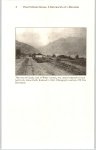
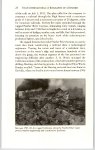
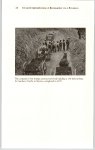
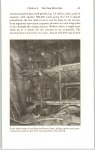
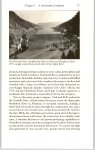
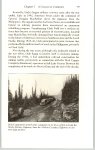
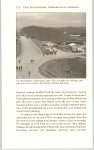
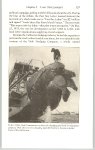
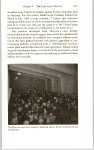
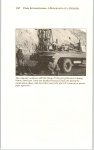
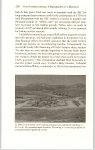
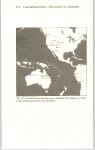
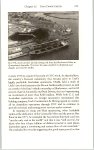
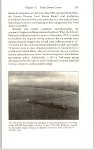
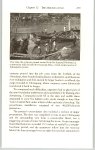
Show 78 UTAH INTERNATIONAL: A BIOGRAPHY OF A BUSINESS associates rebuilt, fortified, and equipped bases that American forces needed for the ongoing assault against the Japanese. All told, Utah joined in building more than $550 million worth of naval air bases on Pacific islands, from Hawaii and Midway to Guam and Samoa, erecting hospitals, barracks, supply depots, airfields, and many other facilities. Military construction also proceeded at a feverish pace on the mainland and outside the Pacific war zone. Perhaps Utah’s most visible of many home-front jobs came in 1942, when the Public Roads Administration selected Utah as one of several contractors to build a military highway from Dawson Creek, Alberta, to Fairbanks, Alaska—a major portion of what became the AlaskanCanadian (Alcan) Highway. Utah set about building a rugged 150mile portion of the highway just east of the Alaskan-Canadian border. Though sparsely inhabited, that stretch included beautiful lakes and marshes, swift rivers, areas of dense virgin timber, and a challenging climate—scorching midsummer days and dark, bitter cold during the long winters. The $8.4 million project was completed ahead of schedule in 1943, earning Utah Construction a certificate of merit from the Public Roads Administration. Many other stateside military projects came to Utah and its associates, including the construction of dry docks on Mare Island, California, and a naval air station at Corpus Christi, Texas. The Texas project required a diverse range of activities, including the erection of buildings, hangars, ramps, and other accessories, in addition to runways and training fields. In California, Utah Construction built dry docks in San Diego and Alameda, a shipyard at Alameda, and a temporary staging area at Pittsburg. The influx of military personnel immediately strained military housing facilities, and so construction companies began framing hundreds of temporary buildings, most at California’s Fort Ord and Camp Roberts, and Washington’s Fort Lewis and McCord Field. Long supply lines into the Pacific also demanded increasing storage and shipping capacities in military depots. Utah participated in several depot projects, including the Oakland Supply Depot, Navy buildings and warehouses at Clearfield, Utah, and the Deseret Chemical Warfare Supply Depot at St. John, Utah, south of Tooele, which also involved building a half-million-dollar railroad. |