| OCR Text |
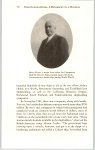
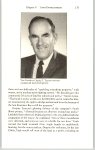
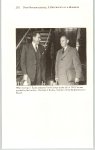
Show Chapter 5 A CHANGING COMPANY §1 to Kaiser averaged 26,000 tons per month, but ore shipments temporarily halted in late 1945 and 1946 due to post-war steel strikes. When shipments resumed in 1947, they increased to about 50,000 tons per month. Although the company’s worksheet remained full, many of the projects Utah undertook during the 1930s and 1940s were small in revenue, raising the company’s net worth only slightly—from $6.7 Sadie oe ak ate relatte eet Set aeer Vom seshSes OE Seat) a eS fi Pande eee EEE TT eae million in 1929 to $7.3 million in 1939. The more lucrative military contracts of the 1940s helped, yet Utah’s diversification did not bring a powerful identify nor substantially increase the company’s net worth. Indeed, much of its work had been in joint ventures where outfits like Kaiser and M-K cast huge shadows, eclipsing Utah’s sense of identity and purpose. Following the war, Marriner Eccles participated in establishing the World Bank and the International Monetary Fund, then left the Federal Reserve Board in 1951. Widely recognized as the most talented and energetic business and financial analyst in America, he then turned his full attention toward his family’s business interests, high among them the Utah Construction Company. Eccles was convinced that, if Utah was to succeed in the postwar world, the company must find stronger management and set a clear direction. In terms of shareholder votes, he needed support from at least one of the Wattis families and all the other shareholders. One thing was certain—the Utah Construction Company, now a half-century old, was struggling to find its bearings in a vastly changed modern world. |